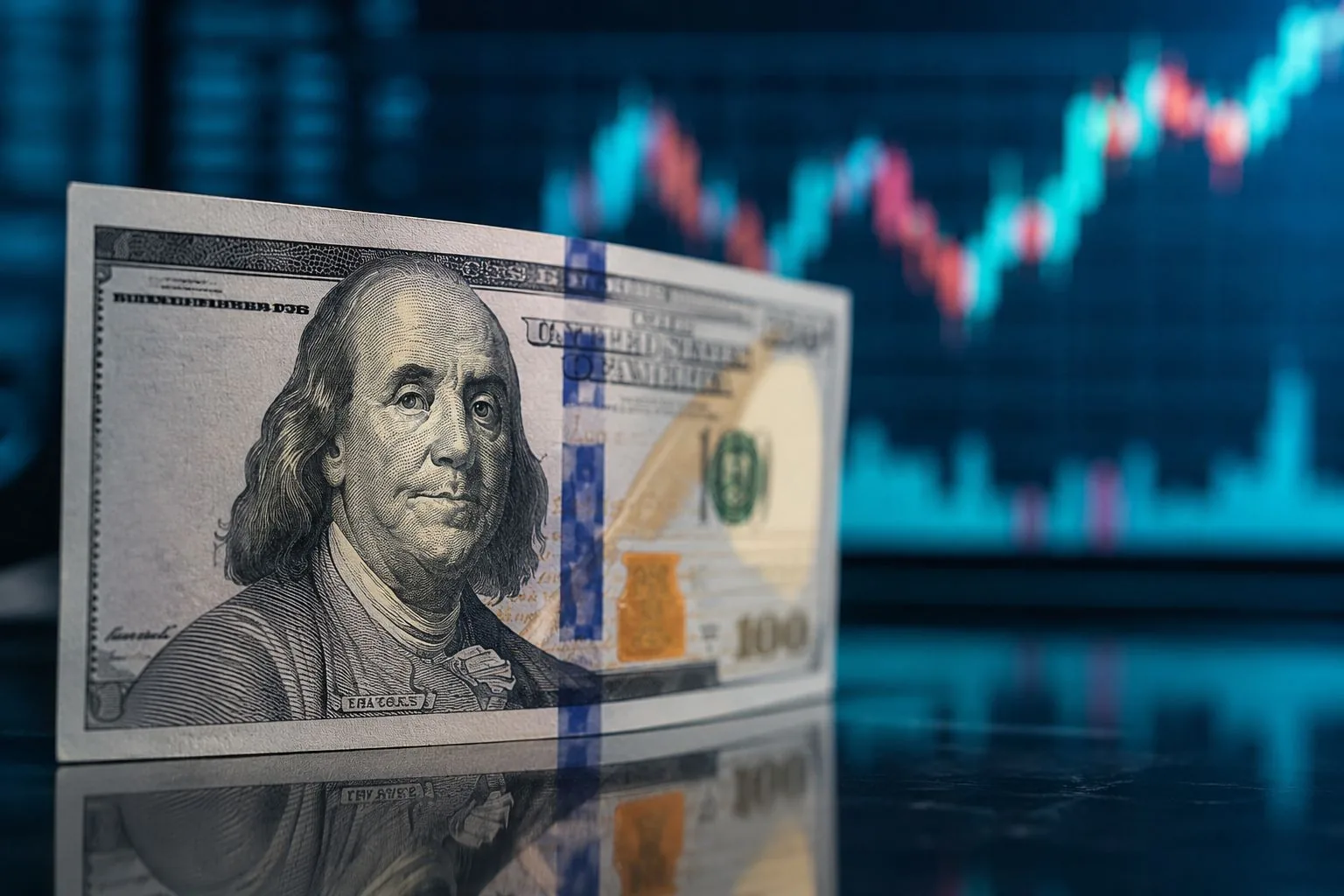
The US dollar ended the trading session near R$5.17 on June 11, 2026, as global markets navigated a landscape shaped by central bank policy shifts and rising geopolitical risks in the Middle East. The commercial dollar fluctuated between R$5.17 and R$5.20 throughout the day, according to international financial platforms, with investors holding back from aggressive positions while awaiting fresh economic indicators. The previous session saw the dollar close at R$5.1723, essentially flat, underscoring the market's search for direction amid competing forces.
ECB Pioneers Rate Hike After Three-Year Pause
The European Central Bank announced a rate increase this week, marking its first such move in nearly three years. The deposit rate was raised to 2.25% and the main refinancing rate to 2.40%, according to an official statement reported by Reuters. The decision came in response to accelerating inflation in the eurozone, which has surpassed 3% — well above the ECB's 2% target. Rising energy prices, exacerbated by tensions in the Middle East, have been identified as a key driver behind this inflationary pressure.
Deposit and Refinancing Rates Climb
The ECB's rate hike reinforces the perception that central banks will continue to combat inflation even in the face of economic slowdown risks. Financial markets reacted with caution, adjusting expectations about the cost of money in Europe. For investors, the move signals that restrictive monetary policy is likely to persist, influencing capital flows and the performance of emerging-market currencies such as the Brazilian real.
Fed Remains the Dominant Force in Global Markets
While the ECB acted, investor attention remains fixed on the Federal Reserve. Recent data from the US economy shows a resilient labor market, with job creation exceeding expectations, reinforcing the view of a heated economy. This scenario reduces the likelihood of rapid interest rate cuts and keeps the dollar relatively strong against a range of international currencies. When US interest rates stay elevated, global investors tend to allocate funds to American assets, boosting demand for the greenback.
US Job Market Exceeds Forecasts
The employment report released recently revealed job openings above projections, strengthening the narrative that the US economy continues to run hot. This data diminishes the urgency for monetary easing and keeps the dollar valued. Economists assess that persistent inflation, partly driven by energy costs, will require continued attention from monetary authorities.
Middle East Tensions and the Dollar's Safe-Haven Role
The geopolitical situation in the Middle East remains a decisive factor for the currency market. Tensions involving regional countries are closely monitored by governments, companies, and investors. Historically, periods of international instability tend to strengthen the dollar, which is considered a safe-haven asset. The resulting increase in oil and natural gas prices has raised additional concerns about global inflation, increasing the likelihood that high interest rates will persist for longer in both the United States and Europe.
The fluctuations of the dollar directly impact millions of people. When the US currency rises, imported products such as electronics, vehicles, and pharmaceuticals tend to become more expensive. International travel becomes more costly for tourists with weaker local currencies. On the other hand, exporters often benefit from a stronger dollar, as they receive revenue in foreign currency. Companies that rely on imports face rising operating costs, making the dollar exchange rate one of the most relevant economic indicators.
Financial analysts point out that the dollar's behavior during the second half of 2026 will depend mainly on three factors:
- The evolution of global inflation;
- Central bank decisions;
- Geopolitical developments in the Middle East.
If inflation remains high, further rate hikes in developed economies are possible, which would strengthen the dollar and increase volatility. Conversely, a faster slowdown in inflation could open room for less restrictive monetary policies, reducing pressure on the US currency. Investors are also closely watching indicators of economic growth, employment, and consumption, which can influence the Fed's next moves. Thus, the dollar remains one of the main thermometers of the global economy in 2026, reflecting an environment of persistent inflation, high interest rates, and geopolitical uncertainties.