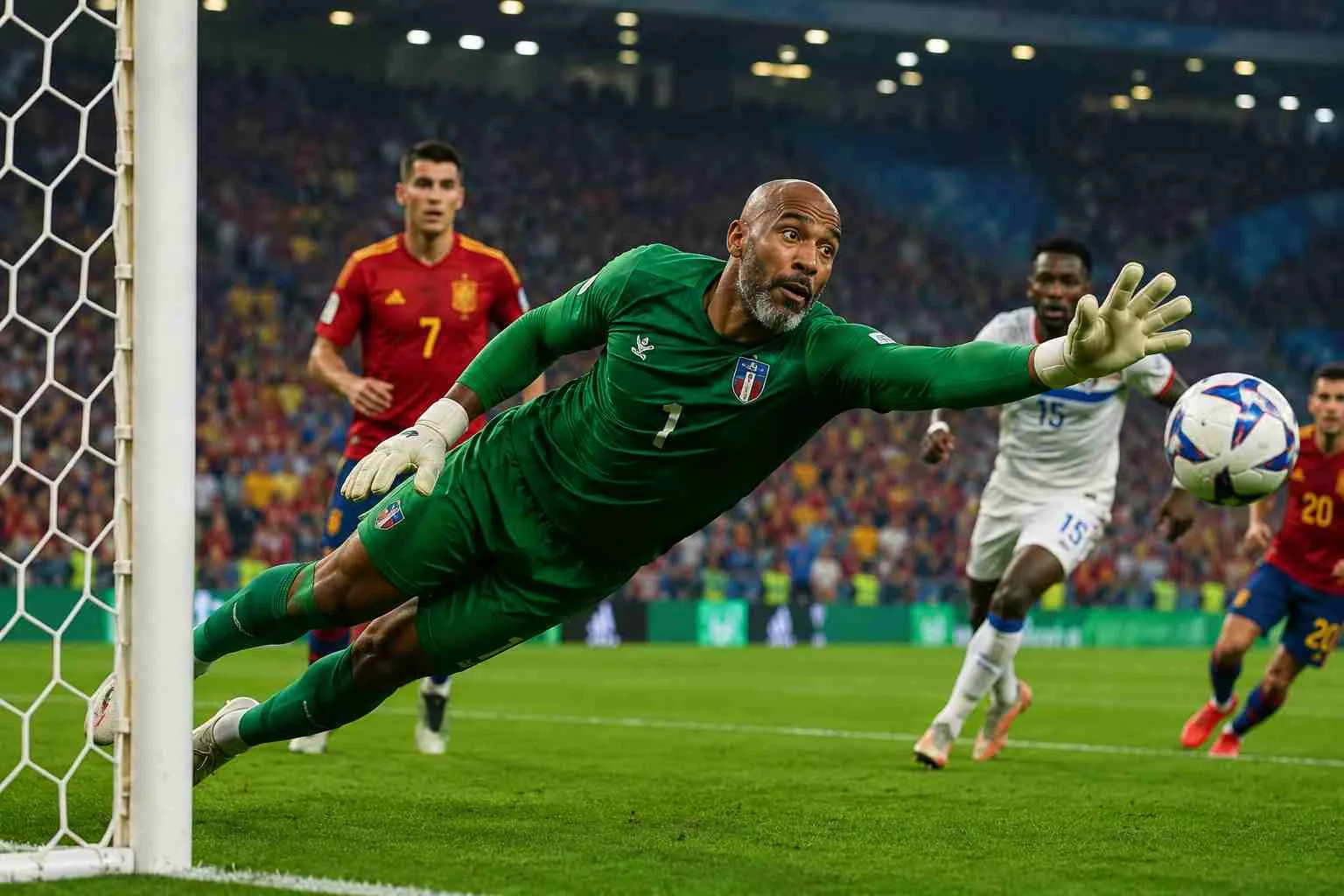
In one of the most stunning upsets in FIFA World Cup history, Cape Verde held Spain to a 0-0 draw in their tournament debut on June 15, 2026. The small island nation, appearing in its first World Cup, delivered a disciplined defensive performance that silenced a Spanish side widely considered among the favorites. The result immediately became the defining story of the opening round, with fans and analysts praising the resilience of the African underdogs. The match, played against a European powerhouse, showcased the unpredictable nature of football and elevated Cape Verde into the global spotlight.
How Cape Verde neutralized Spain's attacking threat
Cape Verde's tactical approach was a masterclass in defensive organization. The team focused on maintaining a compact formation, limiting the spaces that Spain's creative midfielders and forwards typically exploit. Rather than attempting to match Spain's possession game, the African side relied on discipline, teamwork, and quick transitions when opportunities arose. Spain controlled the ball for long stretches but found it extremely difficult to produce clear-cut chances. The Spanish attackers combined through short passes, crosses, and long-range efforts, yet the Cape Verdean backline, anchored by experienced players, held firm throughout the 90 minutes.
The performance was not merely about defending deep. Cape Verde showed intelligence in their pressing triggers and timing, forcing Spain into less dangerous areas. When Spain did break through, they were met by the formidable presence of goalkeeper Vozinha. The 40-year-old veteran delivered a string of crucial saves that preserved the clean sheet. His positioning, reflexes, and command of the penalty area were instrumental in frustrating one of the tournament's most potent offenses. Vozinha's performance has been widely hailed as one of the finest individual displays of the 2026 World Cup so far.
Who was the hero of Cape Verde's historic result?
Vozinha, the Cape Verdean goalkeeper playing at the age of 40, emerged as the central figure in the historic draw. He made several vital saves during key moments of the match, including a point-blank stop in the second half that kept the score level. His leadership from the back organized the defense under constant pressure. By the final whistle, Vozinha had become a global sensation, celebrated by fans and pundits alike as the embodiment of perseverance and skill. His performance is already being compared to legendary goalkeeping displays in World Cup history.
What does this result mean for the rise of African football?
The draw underscores the growing competitiveness of African nations on the world stage. Over the past two decades, countries such as Morocco, Senegal, Ghana, Cameroon, Ivory Coast, Algeria, and Nigeria have demonstrated increasing depth and quality. Many of these teams have reached advanced stages of recent tournaments, with Morocco notably reaching the semifinals in 2022. Cape Verde's achievement adds another chapter to this narrative, proving that even smaller footballing nations from the continent can challenge traditional powerhouses. The result highlights improvements in coaching, youth development, and infrastructure across African football, as well as the continent's deep talent pool.
Global reaction and historical comparisons
Social media platforms erupted with excitement and praise immediately after the match. Fans, former players, coaches, and journalists celebrated Cape Verde's determination and tactical discipline. Many highlighted Vozinha's goalkeeping as one of the finest individual performances of the tournament. Others pointed to the result as evidence of football's enduring unpredictability. The story generated headlines around the world and introduced Cape Verde to millions of viewers who knew little about the island nation before the match.
Can this upset be compared to other World Cup shocks?
The result instantly drew comparisons to some of the greatest upsets in World Cup history. Fans and analysts have recalled:
- Cameroon defeating Argentina in 1990.
- Senegal beating France in 2002.
- South Korea reaching the semifinals in 2002.
- Costa Rica's remarkable campaign in 2014.
- Morocco's run to the semifinals in 2022.
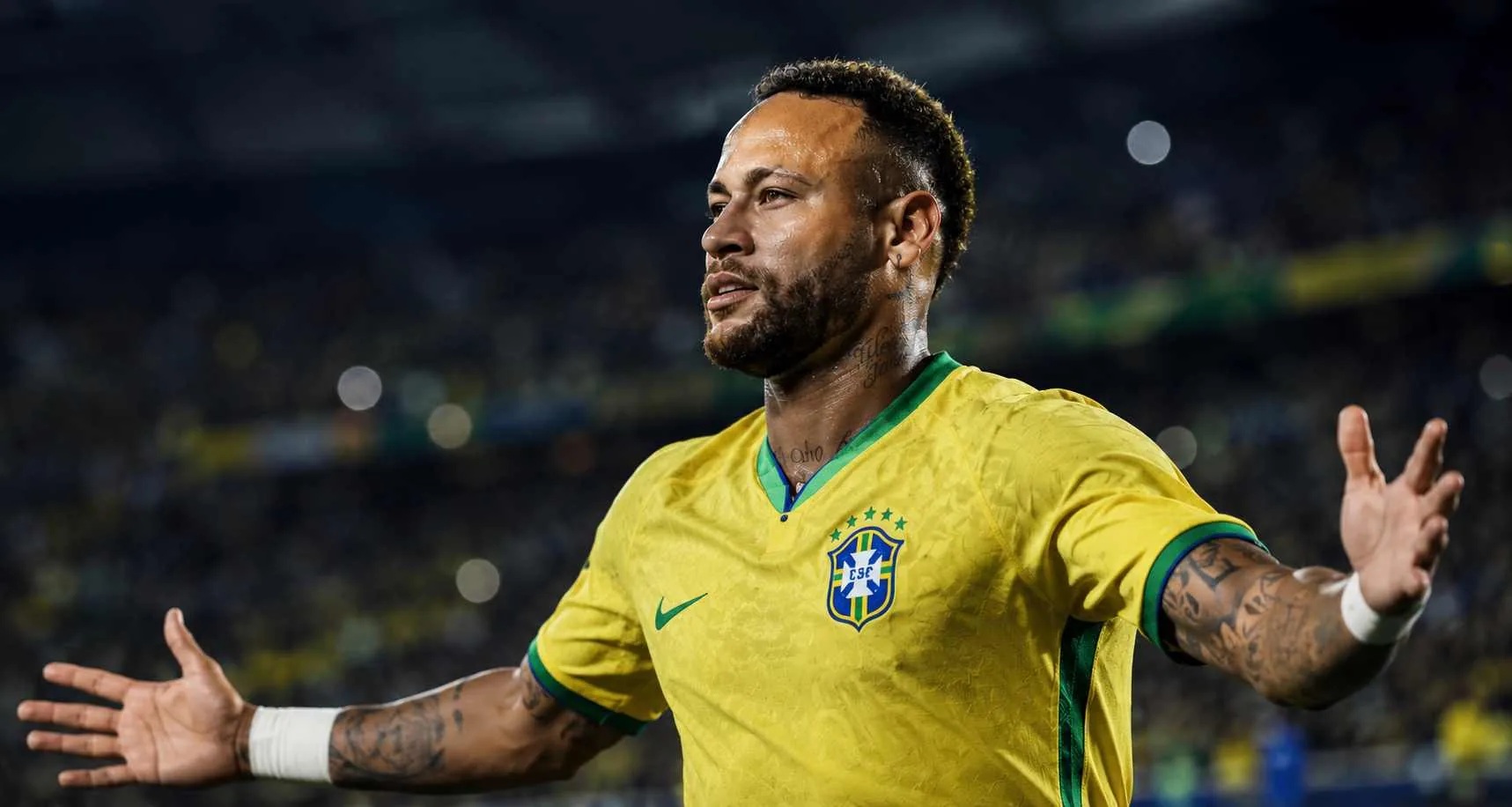
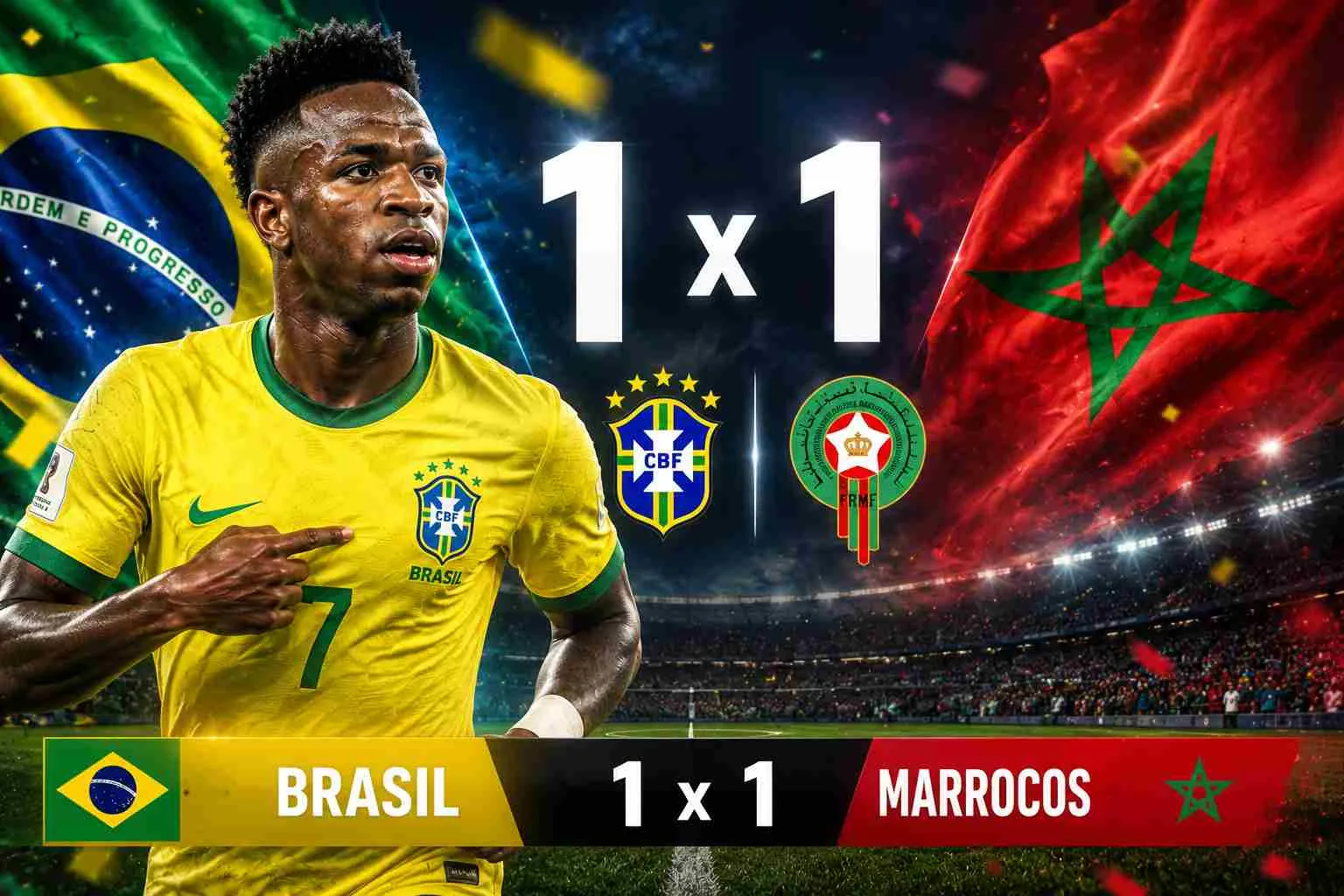

While Cape Verde's journey is just beginning, their draw against Spain has already secured a place among the most memorable underdog stories of the tournament. The result has also reignited debates about the importance of expanded World Cup representation. Proponents of the larger format argue that it provides opportunities for emerging nations to compete on the biggest stage, and Cape Verde's performance strengthens that case.
How does this result reshape the group?
The draw significantly alters the dynamics of the group. Spain had expected to secure three points and take control of the standings, but Cape Verde earned a valuable point that could prove crucial in the race for qualification. Every remaining match now carries added weight. Cape Verde enters subsequent games with boosted confidence, while Spain faces pressure to respond quickly to avoid further complications. The result keeps the group wide open and heightens anticipation for the next round of fixtures.
What are the implications for Spain after the draw?
Despite the setback, Spain remains one of the most talented teams in the competition. The draw does not eliminate their chances of advancing or even winning the title, but it has raised questions about their finishing ability and creativity in the final third. Analysts have noted Spain's difficulty in breaking down organized defenses, a challenge that could resurface in later stages. The Spanish squad must now regroup and adjust their approach to ensure they do not drop more points. The result serves as a powerful reminder that no opponent can be taken lightly at the World Cup.
Frequently Asked Questions
Can Cape Verde advance to the knockout stage?
Yes, the chances of advancing have improved significantly after earning a point against the group favorite Spain. Cape Verde now depends on results in their remaining matches to keep their hopes alive. The team's confidence is high after demonstrating they can compete at the highest level.
Who is Vozinha and how old is he?
Vozinha is the starting goalkeeper for Cape Verde. At 40 years old, he has become one of the standout players of the 2026 World Cup after his spectacular saves against Spain. His experience and leadership were key factors in the historic result.
Is Spain still a title contender after the draw?
Despite the slip, Spain still possesses one of the strongest squads in the tournament. The draw does not eliminate their title aspirations, but it has raised concerns about their offensive efficiency and creativity. The team remains a candidate for the championship but needs to respond strongly in upcoming matches.
What is Cape Verde's next match in the 2026 World Cup?
The source does not specify Cape Verde's next opponents. However, each remaining group match will be decisive for the team's ambitions. The squad will aim to build on the momentum from the Spain draw.