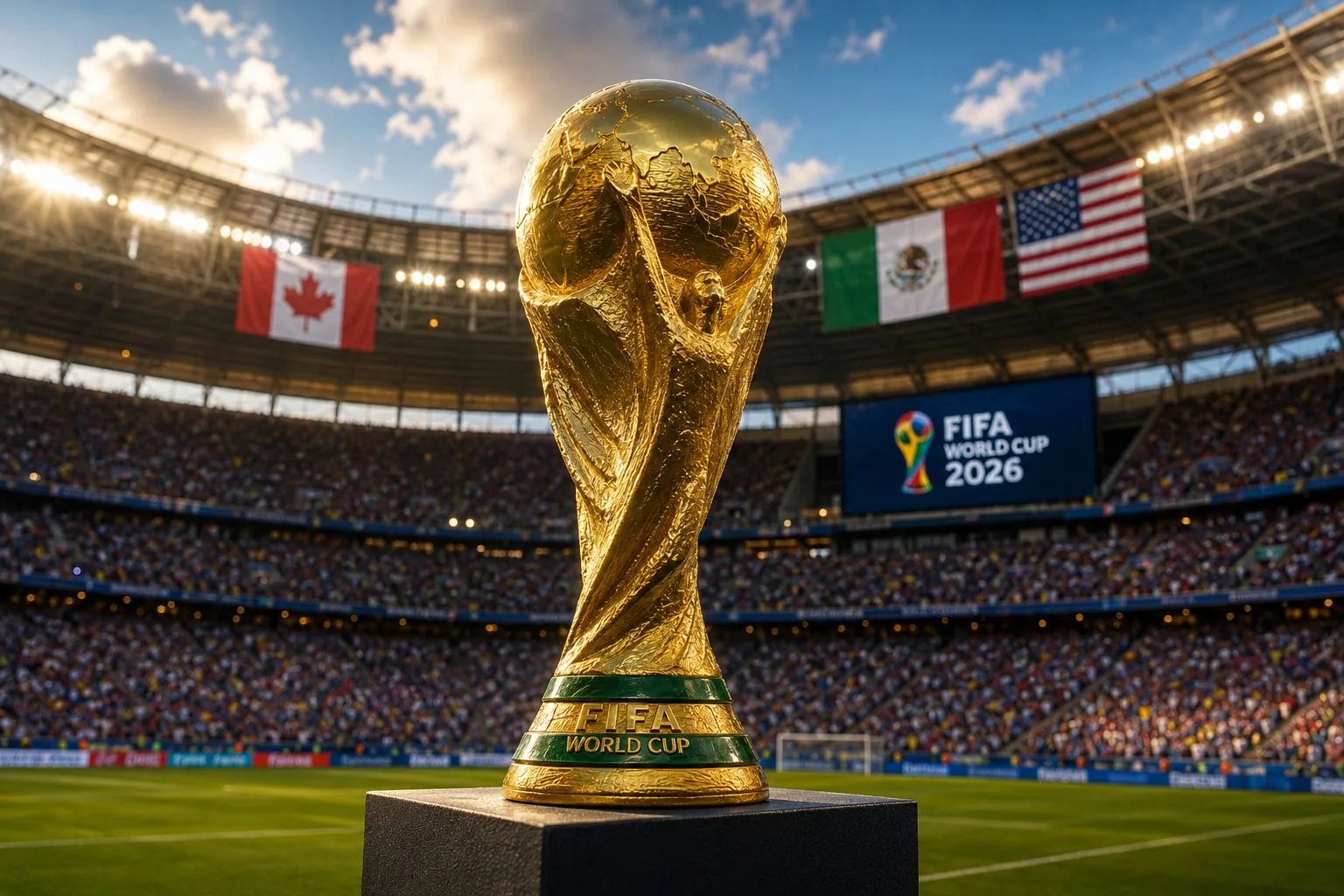
The 2026 FIFA World Cup kicks off on June 11 in Mexico City, launching the largest edition of the tournament ever staged. For the first time, three countries—the United States, Canada, and Mexico—will jointly host the competition, featuring 48 national teams and 104 matches. Organizers expect more than 6.5 million spectators to attend games across the continent over the next month. The opening match at the legendary Estadio Azteca sets the stage for a tournament that promises to redefine the boundaries of the sport.
A Tournament of Unprecedented Scale
The expansion from 32 to 48 teams represents a fundamental shift in the World Cup format. Additional slots for nations from Africa, Asia, North America, and Oceania have significantly increased competitive diversity. Mexico becomes the first country to host matches at three different men's World Cups, while the United States will stage the majority of games and Canada makes its debut as a host nation. Sixteen cities spread across the three countries will accommodate fixtures, creating unprecedented logistical demands and a truly continental reach.
Historic Venues and a Grand Finale
The opening ceremony and first match take place at Mexico City's Estadio Azteca, a venue that has witnessed legendary performances by Pelé and Diego Maradona in previous World Cups. The stadium's return to the global spotlight reinforces its status as one of football's most iconic temples. The final is scheduled for July 19, 2026, at the stadium in the New York/New Jersey region, with expectations of a global audience in the billions. This will be the first time the World Cup decider occurs in a venue shared by two U.S. states.
Argentina’s Title Defense and Rising Contenders
Argentina arrives as the reigning world champion, aiming for an extremely rare feat: defending the title it won in 2022. The team continues to draw enormous international attention due to the presence of Lionel Messi, widely regarded as one of the greatest players in history. However, the delegation recently faced an unexpected problem after internal documents were leaked, raising concerns about athlete security and privacy. Among the leading candidates for the trophy, beyond Argentina, several traditional powerhouses stand out:
- France
- Spain
- England
- Germany
- Portugal
- Brazil
- Netherlands
These established forces share the spotlight with emerging teams that have shown significant progress in recent years, increasing the potential for surprises throughout the tournament. Nations that historically struggled to qualify now have the opportunity to play on football's biggest stage, thanks to the expanded slots. Experts believe this diversity could enhance competitive balance in various phases of the competition, making the event more unpredictable. The presence of teams from different continents also enriches the cultural dimension of the tournament, attracting fans from diverse backgrounds.
Extreme Heat and Adaptation: A Climate Challenge
One of the most discussed behind-the-scenes issues involves weather conditions in several host cities. Recent studies indicate that some matches could take place under high temperatures, creating additional challenges for players, coaching staff, and organizers. Teams from colder regions may face adaptation difficulties, while squads accustomed to heat could gain a relative advantage in specific encounters. The issue becomes even more relevant in a tournament that stretches over more than a month, with games in different time zones and ecosystems.
Technology, Entertainment, and Economic Impact
FIFA has invested heavily in digital innovation, introducing new digital ticket systems, real-time tracking apps, and interactive fan experiences. In partnership with Netflix, the organization has launched a new official World Cup video game, expanding the event's digital reach. One of the most talked-about novelties is the introduction of a halftime show at the final, an approach inspired by major American sports events that has already sparked debate among broadcasters and organizers. From an economic perspective, analysts estimate that the World Cup will generate tens of billions of dollars in direct and indirect revenue, boosting sectors such as tourism, hospitality, and commerce in host cities. Companies like Airbnb have already launched special promotions that include accommodation and tickets for competition matches. In Los Angeles, one of the most emblematic host cities, FIFA President Gianni Infantino said the metropolis will be 'invaded by happy barbarians,' in an animated reference to the arrival of millions of fans.