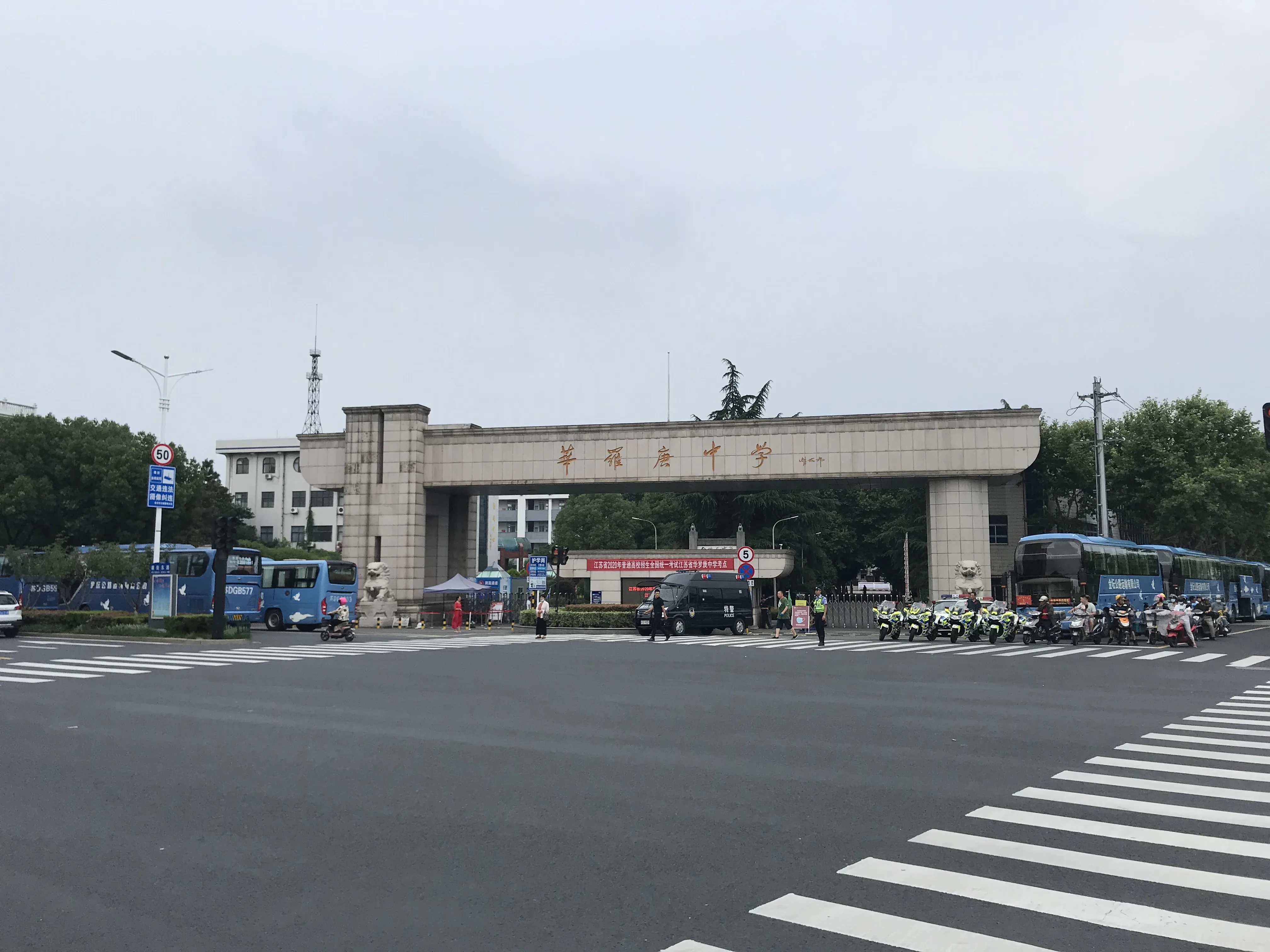
China's notoriously difficult college entrance exam, the Gaokao, commenced on June 7, 2026, with 12.9 million candidates facing an unprecedented level of security. Authorities have deployed artificial intelligence monitoring, video surveillance, and electronic jamming devices to prevent cheating. The multi-day examination determines university admissions for most Chinese students and remains the primary criterion for entry into higher education. This year's edition features a historic reinforcement of anti-fraud measures, including smart systems to detect prohibited devices like phones, smartwatches, and smart glasses. The Ministry of Education has implemented these tools to counter high-tech cheating attempts.
A Record Security Blitz Against Cheating
Educational authorities have multiplied their use of monitoring technologies and intelligent systems to prevent fraud this year. Exam sites are equipped with video surveillance, rigorous inspections, and screening systems capable of detecting prohibited electronic devices such as mobile phones, smartwatches, and smart glasses. The Ministry of Education stated that it is employing intelligent tools to identify high-tech cheating attempts. This marks the most extensive anti-cheating operation in the exam's history, reflecting concerns about the integrity of the selection process.
AI as Both Gatekeeper and Exam Topic
Interestingly, artificial intelligence appeared not only in the security apparatus but also in the examination content itself. In Beijing, candidates were asked to create a slogan for an AI activity aimed at elderly people. In Shanghai, test-takers composed an 800-word essay on the impact of technology on transforming the world and human imagination. This dual role of AI—as enforcer and subject—highlights the growing integration of technology in China's educational system and societal discourse.
A Second Year of Declining Registrations
The Ministry of Education recorded approximately 12.9 million registered candidates for 2026, a drop of about 450,000 compared to the previous year. This marks the second consecutive annual decline in participation. The decrease occurs amid a shrinking population of university-age adolescents, a migration of young people toward technical and vocational training, and difficulties in the Chinese economy with youth unemployment among those aged 16 to 24 exceeding 16 percent. About 12.7 million new graduates are expected to enter the job market this year, intensifying the competitive landscape.
Economic Pressures Reshape Educational Choices
Specialists observe a gradual shift in how families and candidates perceive the Gaokao. In recent decades, China's rapid economic growth amplified the value placed on higher education and heightened expectations around young people's performance. However, faced with a more competitive job market, many parents now emphasize a balance between academic performance, physical health, and emotional well-being. Despite these changes, for millions of students the Gaokao remains a decisive step for university admission and building career prospects. The exam's centrality is being reassessed in light of economic realities.
Crackdown on Fraud and Misinformation
The government also announced it will intensify efforts to combat illegal activities related to the exam, including fraud schemes, scams, and misleading advertising of educational services. This enforcement comes as the exam's credibility becomes increasingly crucial amid the heightened security measures. Authorities are working to ensure that the selection process remains fair and trustworthy for the millions of candidates relying on it. The crackdown targets both organized cheating rings and deceptive marketing by educational providers.
Observers note that the Gaokao is undergoing a gradual transformation in how it is perceived by families and candidates. In the past, rapid economic expansion elevated the exam's prestige, but today's tighter job market is prompting parents to value a more holistic development. The reduction in registration numbers reflects not only demographic shifts but also a pragmatic recalibration of expectations. Nevertheless, for most Chinese students, the Gaokao remains the pivotal event for their academic and professional futures. This year's edition encapsulates the tension between tradition and modernization.