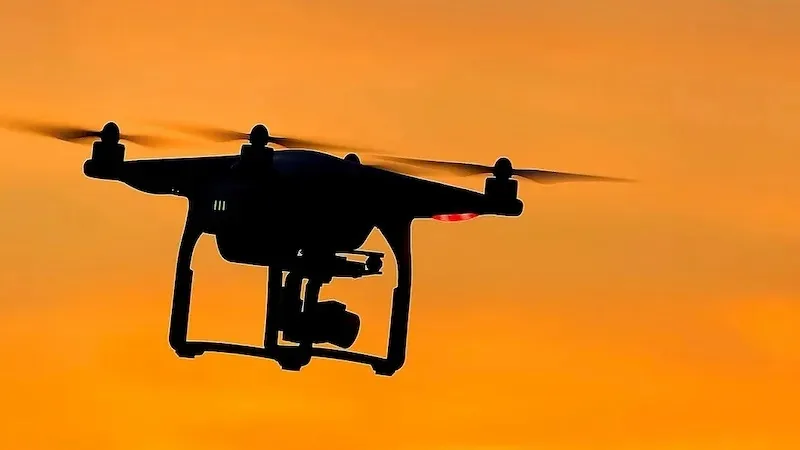
In a US$ 1.5 billion deal, Motorola Solutions announced the acquisition of D-Fend Solutions, an Israeli startup specializing in counter-drone technology. The transaction, revealed on Monday, June 1, centers on the EnforceAir system, which uses radio waves to seize control of unauthorized drones mid-flight. The company aims to land these aircraft safely without collateral damage. This move reflects the rising global concern over drone threats as their commercial use expands.
How EnforceAir Captures Drones Without Destruction
D-Fend's flagship product, EnforceAir, employs radio waves to detect drones at long distances and distinguish them from other flying objects, eliminating false positives. The technology identifies the drone's prefix, brand, and model to verify authorization. Once a threat is confirmed, it disconnects the pilot's remote control and can either return the drone to its launch point or guide it to a secure alternative. This approach avoids destroying the equipment and prevents unintended damage on the ground. The system is already operational in more than 30 countries, including NATO members.
A Startup on a Rapid Growth Trajectory
Founded in 2016, D-Fend Solutions has expanded alongside the surge in drone usage and the demand for stronger defenses against hostile aircraft. The company developed a solution that goes beyond simple detection to enable active interception. Its annual revenue has surged more than 50 percent over the past three years, with projected revenue of US$ 185 million for 2026. This growth places it at the forefront of a rapidly expanding sector.
Market Demand and Legislative Catalysts
The global anti-drone market was valued at US$ 2.47 billion in 2026 and is expected to reach US$ 8.42 billion by 2031, according to Mordor Intelligence. D-Fend contributes a significant portion of this growth with its projected revenue. The deal is expected to close in the last quarter of 2026. Attacks on critical infrastructure — including data centers in the U.S.-Israel conflict with Iran and airport shutdowns across Europe — have underscored the urgency for systems that can intercept drones without disrupting communications or causing harm. In the United States, the Safer Skies Act, approved last year, allows certified state and local police to actively seize and land unauthorized drones, creating a new market for capture tools that directly benefits firms like D-Fend.
Critical Infrastructure at Risk
The EnforceAir system is primarily intended for military zones, airports, stadiums, prisons, government buildings, and other sensitive facilities. Greg Brown, CEO of Motorola Solutions, noted that the threats posed by drones are not only identified but their communications are neutralized and redirected, bringing them safely to the ground. The security company — which is distinct from Motorola Mobility — sees the acquisition as a way to strengthen its portfolio. More than 30 nations have already adopted the technology, signaling widespread demand for this type of protection.
The Safer Skies Act Opens New Horizons
In the United States, the Safer Skies Act, approved last year, grants certified state and local law enforcement the authority to actively hijack and land unauthorized drones. This legislation has unlocked a fresh market for drone-capture tools, directly benefiting companies such as D-Fend. The law reflects a growing acceptance of active interference measures against hostile drones. Consequently, demand for systems like EnforceAir is poised to expand rapidly across the American market.