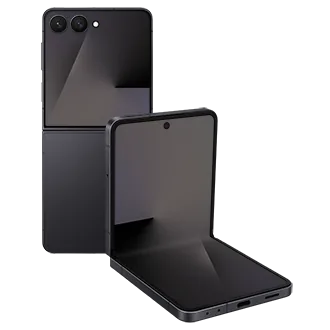
Samsung will equip the upcoming Galaxy Z Flip8 with two different processors depending on the market, according to a new report from a Korean tipster. The company is expected to use its own Exynos 2600 system-on-chip in some regions, while other markets will receive a Qualcomm Snapdragon 8 Elite Gen 5 chip. This regional split mirrors a strategy Samsung has employed before with previous foldable devices. The report adds new details about the cost considerations driving this decision, shedding light on the dynamics between Samsung and its chip suppliers.
Behind the Dual-Processor Decision
The tipster's information indicates that the Exynos 2600 carries a high manufacturing cost, which led Samsung to explore alternatives. Qualcomm, reportedly aware of this pricing pressure, made the Korean giant an attractive offer for its Snapdragon chips. This deal, according to the source, was one that Samsung could not refuse, suggesting a significant discount or favorable terms. The move underscores how chip pricing can shape product strategy even for the world's largest smartphone maker. As a result, consumers in different regions may experience varying performance and efficiency profiles depending on which processor powers their device.
Regional Allocation and Historical Patterns
If history repeats, North American markets are almost certain to receive the Snapdragon variant of the Galaxy Z Flip8. Samsung has followed this pattern in previous generation foldables, typically reserving its Exynos chips for other global markets. The tipster did not specify which other regions would get the Exynos 2600, but the company's past distribution offers a likely template. This segmentation means that users in the United States and Canada will likely see Qualcomm-powered units, while buyers elsewhere may find the Exynos version on shelves. The consistency of this approach suggests Samsung values the performance and modem compatibility of Snapdragon in premium markets like North America.
Design Evolution Alongside Processor Shift
Beyond the chipset news, the Galaxy Z Flip8 is also rumored to be thinner and lighter than its predecessor. The tipster, however, did not provide specific measurements or weight figures. Notably, the camera setup appears to be unchanged from the previous model, according to leaked CAD-based renders. This suggests that Samsung's focus for this iteration is on refinement in form factor and internal components rather than major camera upgrades. The combination of a lighter build and new processor options could appeal to users seeking both portability and performance.
A Familiar Strategy Renewed
Samsung's decision to split processors by region is not unprecedented, as the company has used this approach in earlier foldable models. The Korean tipster's report confirms that history is likely to repeat itself with the Galaxy Z Flip8. This pattern gives North American users a clear expectation of receiving Snapdragon-powered devices, while those in other markets may have to adapt to Exynos. The strategy allows Samsung to manage costs and leverage competitive bids from chipmakers, but it also creates a fragmented user experience across different regions. For consumers, it means that the performance and battery life of their Flip8 could depend on where they purchase it.