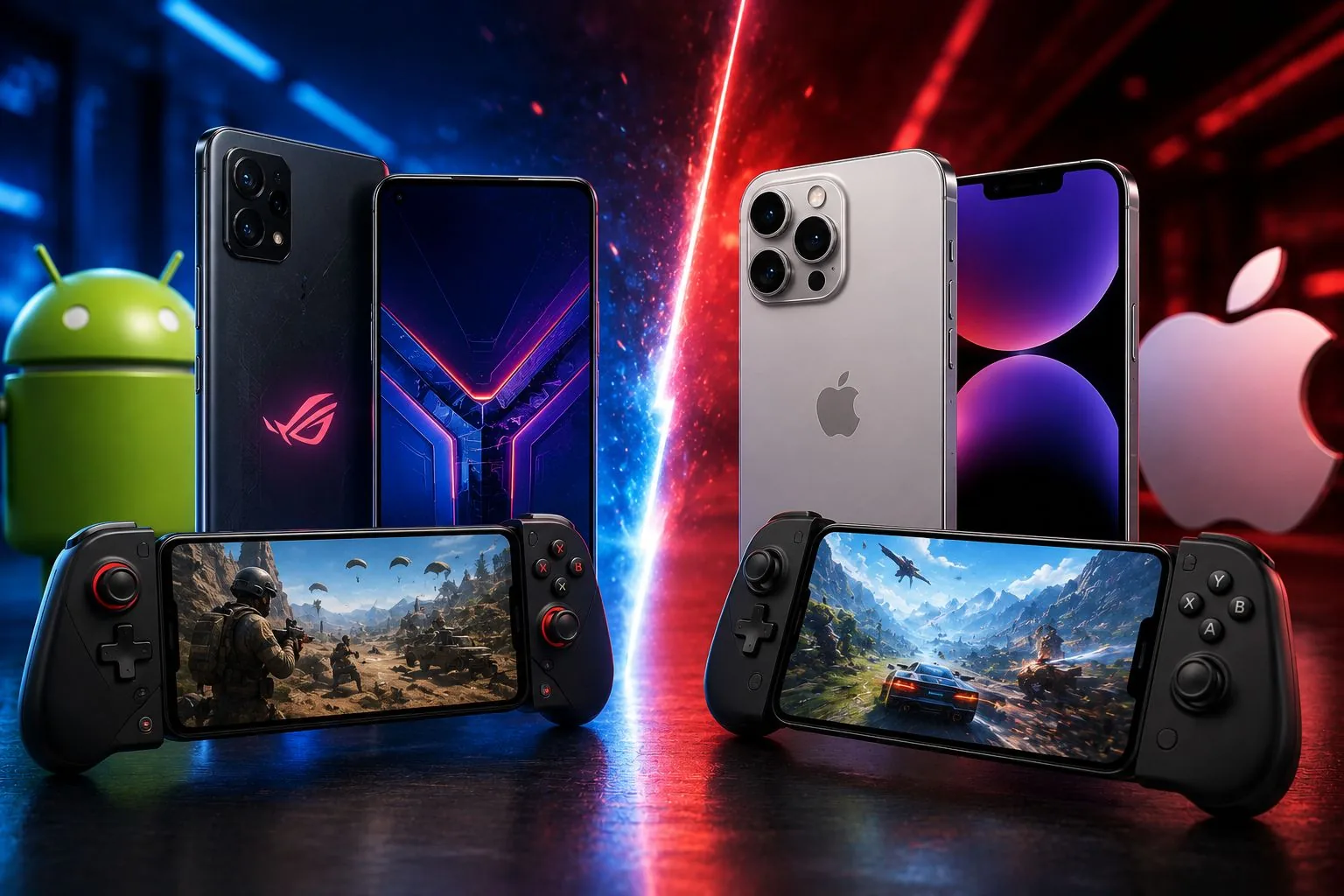
The battle between Android and iPhone for mobile gaming supremacy in 2026 has reached an unprecedented intensity, with titles such as PUBG Mobile, Call of Duty Mobile, and Genshin Impact transforming smartphones into portable consoles. Both ecosystems present compelling arguments rooted in hardware, optimization, and evolving capabilities. The answer to which platform delivers the superior gaming experience is far from straightforward, as each caters to distinct player profiles. This analysis examines the critical factors that define the mobile gaming landscape today.
Performance and Thermal Management: Two Paths to Power
When it comes to raw performance, the competition is tightly balanced. iPhones equipped with the latest Apple silicon continue to lead in graphics processing and single-core performance benchmarks. However, Android devices powered by Snapdragon Elite and MediaTek Dimensity chipsets have dramatically narrowed the gap, making real-world gameplay differences minimal. In practice, both an iPhone Pro Max and an ASUS ROG Phone can run Honor of Kings at high frame rates without issue. Stability during extended gaming sessions, though, exposes nuances.
Cooling Innovations in Android Devices
The iPhone benefits from tight hardware-software integration that ensures consistent performance. Meanwhile, Android gaming phones invest heavily in advanced cooling solutions, such as vapor chambers and integrated fans. These thermal management features often outperform Apple’s approach during prolonged gaming marathons, preventing throttling and maintaining peak performance. This gives Android a distinct edge for competitive players who engage in long sessions.
Battery and Charging: Android's Practical Lead
Modern mobile games demand significant power, and in this domain Android frequently takes the lead. Many models pack batteries exceeding 6,000 mAh and support ultra-fast charging that can replenish the device in under 30 minutes. iPhones rely on processor efficiency to extend battery life but lag behind in charging speed. Additionally, the Android ecosystem offers external coolers and extreme performance modes specifically designed for gaming. The iPhone manages heat well but lacks the dedicated gamer-targeted options that can make a difference in high-stakes competitive play.
Exclusive Gaming Features: Android's Specialized Toolkit
Google’s platform holds a significant advantage in offering hardware and software features tailored for gamers. Numerous Android smartphones include functionalities such as:
- Physical trigger buttons for tactile control;
- Advanced control mapping for customized inputs;
- Dedicated performance modes that optimize resources;
- Real-time FPS monitoring tools;
- Notification blocking to minimize distractions;
- Advanced gameplay recording capabilities.
These features make Android devices particularly appealing to competitive gamers seeking every millisecond of advantage. The iPhone counters with optimization consistency: because there are relatively few models, developers can fine-tune games for near-perfect performance. However, partnerships between Android manufacturers and game studios are reducing performance variability across the platform, narrowing this gap.
Cloud Gaming and Catalog Convergence
Both the Google Play Store and the App Store boast enormous catalogs, and most major releases arrive on both platforms simultaneously. Still, some developers prioritize iPhone optimization due to the limited hardware diversity. Services like Xbox Cloud Gaming and GeForce NOW are increasingly leveling the playing field: in cloud-based scenarios, internet connection quality outweighs processor power. For casual players, the decision often comes down to price and personal preference. For competitive users, Android gaming phones such as the Samsung Galaxy S Ultra, ROG Phone, RedMagic, and Xiaomi Black Shark offer specialized tools that can provide an edge in high-level matches. iPhone models like the Pro Max, Pro, and Plus remain among the fastest devices on the market.
Ultimately, the choice between Android and iPhone for mobile gaming in 2026 hinges on the player's priorities. Competitive gamers seeking specialized hardware and advanced cooling should gravitate toward Android devices like the Samsung Galaxy S Ultra or ROG Phone. Casual players may find the consistent optimization of iPhones sufficient and appreciate the seamless experience. The rapid evolution of cloud gaming and upcoming chip launches promise to further reshape these advantages in the near future. Regardless of the platform, this is an exceptional time for smartphone gaming.