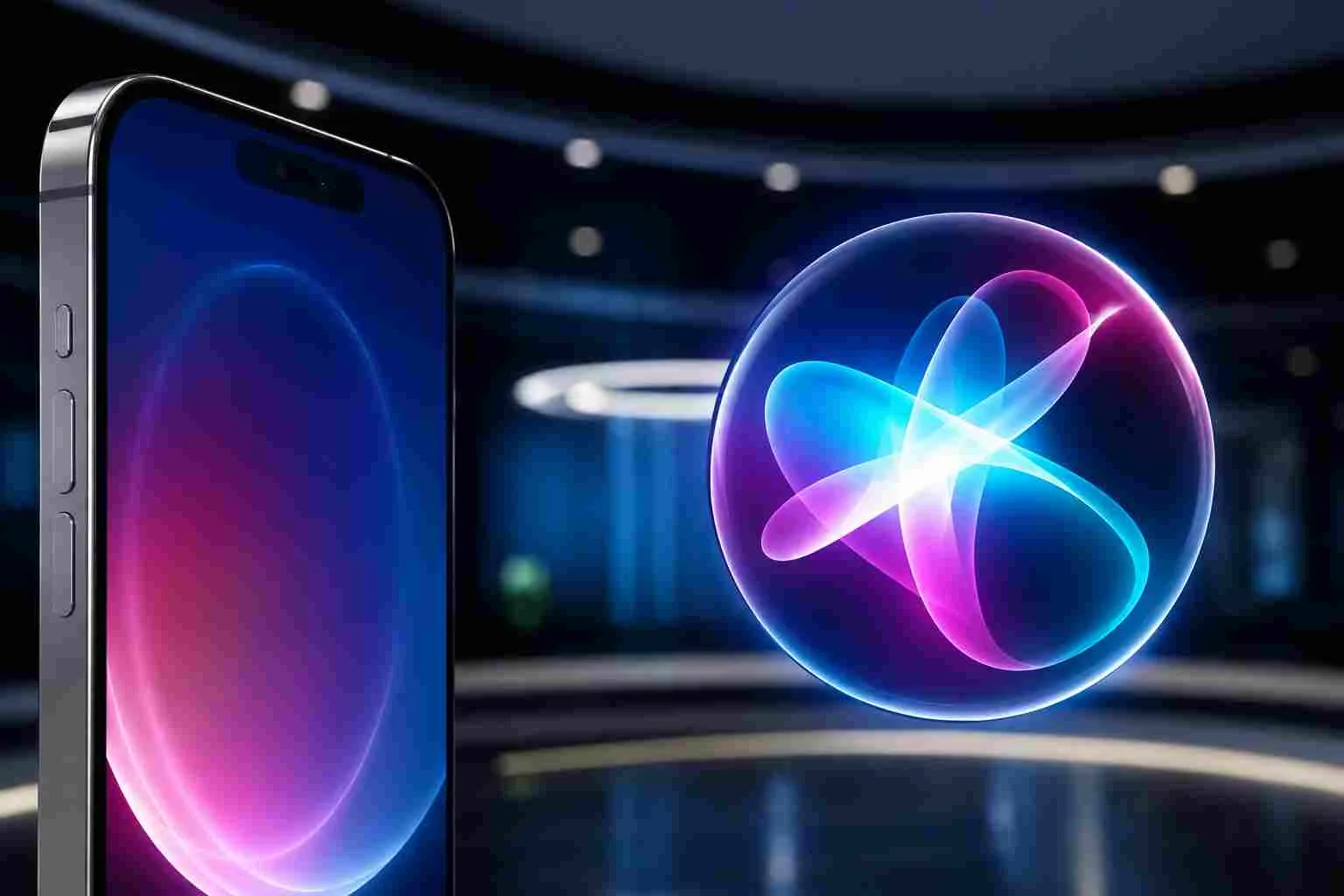
Apple has unveiled one of the most significant transformations in Siri's history at WWDC 2026, rebuilding the virtual assistant with generative artificial intelligence to compete directly with platforms like ChatGPT, Gemini and Claude. The announcement represents a strategic shift for the Cupertino-based technology giant, which had faced years of criticism for lagging behind more advanced conversational AI systems. By integrating generative AI into Siri, Apple now positions its assistant as a direct rival in the global race for artificial intelligence leadership. The company is betting that its massive installed base of users, combined with deep integration between hardware and software, will deliver a more advanced, personalized and secure experience than what is currently available in other tech ecosystems. Investors, analysts and consumers worldwide paid close attention to the revelation, underscoring AI as the decade’s central technological battleground.
Siri’s biggest overhaul since 2011: what has changed?
Introduced originally in 2011, Siri was among the first widely adopted virtual assistants. For years, it helped users perform simple tasks via voice commands such as sending messages, creating reminders and conducting searches. However, the rapid evolution of artificial intelligence in recent years placed Siri at a disadvantage compared to newer solutions capable of understanding natural language with far greater precision. With the update presented at WWDC 2026, Apple aims to completely reverse that trend. The new Siri employs advanced generative AI models to interpret context, comprehend complex requests and execute tasks far more efficiently.
How does the new Siri maintain context during long conversations?
One of the key changes introduced by Apple is Siri’s ability to maintain context throughout extended conversations. Previously, users had to repeat information or rephrase questions to obtain appropriate responses. Now the assistant can understand references made earlier in the dialogue and follow the natural flow of the conversation. That means users can talk to Siri in a manner similar to how they currently interact with advanced AI systems. The assistant also now handles more complex requests that involve multiple steps and different applications simultaneously.
Can the new Siri execute chain actions across apps?
Among the most impressive new capabilities is the power to perform chained actions. For example, a user could ask Siri to find a restaurant, send the location to friends, make a reservation and add the appointment to the calendar — all with a single voice command. This type of functionality brings the user experience closer to the vision of a true personal digital assistant. The chaining of tasks across multiple apps demonstrates the depth of integration Apple has achieved with generative AI.
Deep integration with iPhone, iPad, Mac, Apple Watch and Vision Pro
Apple emphasized that the new Siri is designed to work seamlessly across its entire product ecosystem. That includes iPhone, iPad, Mac, Apple Watch, Vision Pro and other devices connected to the user’s account. The integration allows information to be shared intelligently between different devices, delivering a continuous and personalized experience. According to the company, Siri can understand the usage context on each device and adapt its responses accordingly.
How does Apple’s on-device processing give Siri a privacy advantage?
While many AI companies rely heavily on cloud processing, Apple highlighted a strategy focused on privacy. A large portion of the new Siri’s processing can be performed directly on the device, reducing the need to constantly send information to external servers. When cloud use is necessary, the company says it employs systems designed to protect personal data and prevent unauthorized access to sensitive information. Privacy remains one of Apple’s primary arguments for differentiating its products in an increasingly competitive market.
The direct clash with ChatGPT, Gemini and Claude in the AI market
The launch of the new Siri places Apple in direct confrontation with some of the most influential companies in the artificial intelligence sector. In recent years, advanced conversational platforms have gained huge popularity due to their ability to answer questions, create texts, generate code and assist with complex tasks. Apple believes it can offer important advantages by combining advanced AI with native integration on devices used daily by hundreds of millions of people. Analysts note that this strategy could significantly accelerate the adoption of generative AI by the general public.
Will European regulations delay Siri features in the EU?
Although Apple is moving quickly to implement artificial intelligence, some features may face delays in certain markets. The European Union maintains one of the world’s strictest regulatory frameworks concerning digital competition, data protection and interoperability. As a result, part of the announced features may be made available later for European users. The situation illustrates the challenges technology companies face when trying to balance innovation and regulatory compliance.
Impact on consumers, developers and businesses
The advancement of artificial intelligence within the Apple ecosystem is likely to generate significant impacts for consumers, developers and businesses. Users will gain access to more advanced tools for communication, productivity and personal organization. Companies can explore new ways of interacting with customers through applications integrated with Siri. Developers also have opportunities to create innovative experiences using the AI capabilities built into the operating system. The integration of generative AI opens the door for apps that can automatically respond to complex requests, organize information and execute tasks more efficiently. This scenario may drive a new generation of intelligent software within the Apple ecosystem.
What is the role of iOS 27 in powering the new Siri?
The new Siri will be one of the main attractions of iOS 27, the operating system unveiled during Apple’s annual conference. The update introduces a series of improvements related to artificial intelligence, productivity and cross-app integration. According to the company, the goal is to create a more fluid and personalized experience for users. iOS 27 also expands automation features, intelligent search and contextual assistance across different areas of the system.
Frequently Asked Questions about the new Siri with generative AI
Will the new Siri replace ChatGPT?
Apple has not stated that Siri will replace ChatGPT, but rather that the assistant now competes directly with platforms such as ChatGPT, Gemini and Claude. The company’s strategy is to offer an experience integrated into the Apple ecosystem, with a focus on privacy and on-device processing.
When will the new Siri be available in different countries?
The announcement was made at WWDC 2026, but Apple did not specify release dates by country. Availability will depend on factors such as language support and regulatory compliance in each market.
Does the new Siri work offline?
A large portion of the new Siri’s processing can be performed directly on the device, reducing the need to send data to external servers. However, some features that require cloud access may need an internet connection.