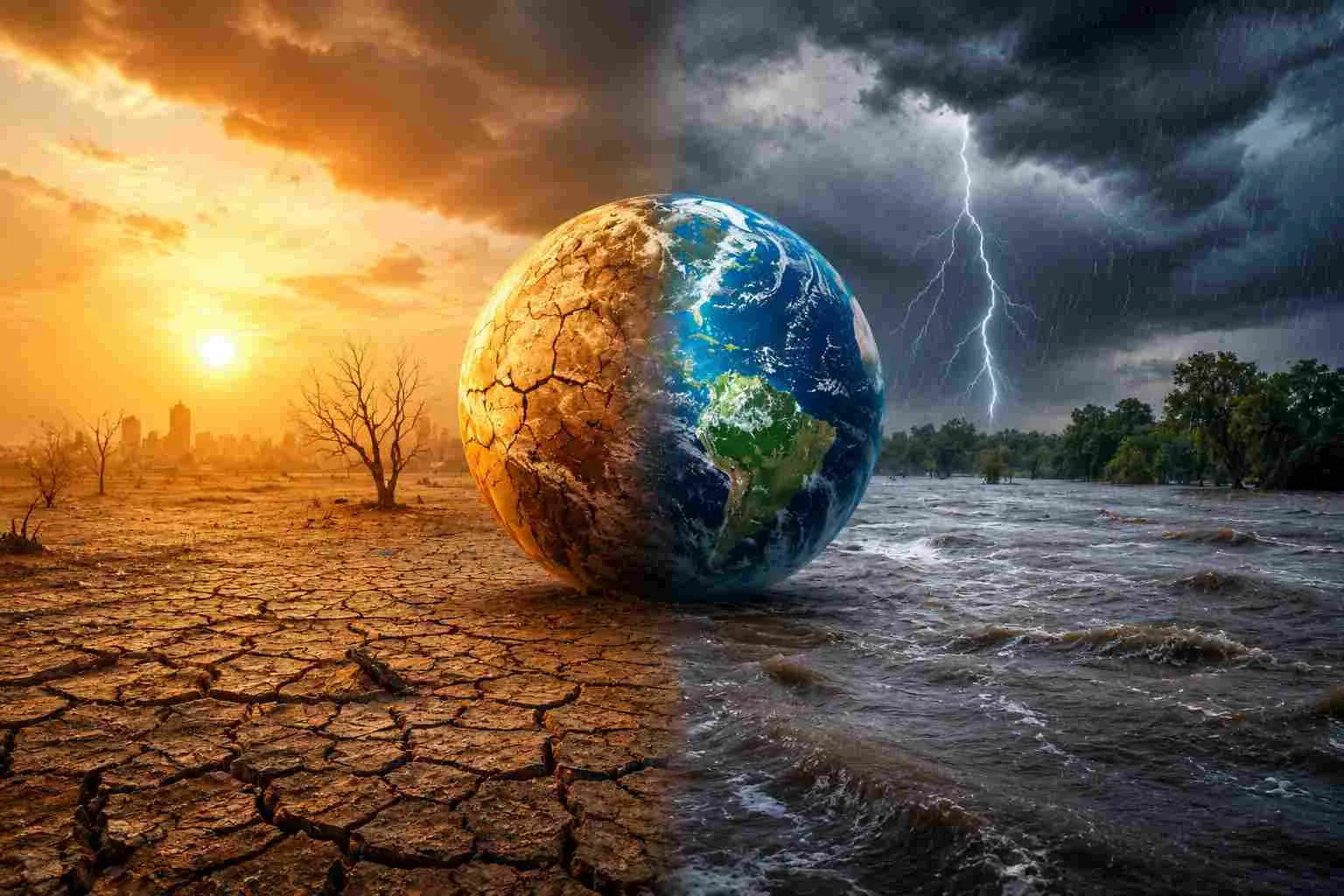
El Niño, the climate phenomenon that anomalously warms the equatorial Pacific Ocean, has returned. Its resurgence is already mobilizing scientists, governments, and international organizations. With the power to alter global weather patterns, this natural event can influence food prices, disrupt energy systems, cause severe droughts, and intensify floods across continents. In a world increasingly affected by climate change and population growth, the return of El Niño carries a new dimension of risk. Strategic sectors such as agriculture, water supply, energy production, and food security are at the center of global concerns.
The Science Behind El Niño's Formation and Global Reach
El Niño is characterized by abnormal warming of surface waters in the equatorial Pacific, which in turn alters global atmospheric circulation. This warming modifies wind, rainfall, and temperature patterns in many regions, even thousands of kilometers away. The name originated from South American fishermen who observed the warming near Christmas. With advances in climate science, it became clear that this event is one of the main natural drivers of global climate variability. Understanding these mechanics is crucial for anticipating where impacts will be most severe.
Normal Conditions vs. El Niño Dynamics
Under normal conditions, trade winds push warm waters toward the western Pacific, accumulating heat near Australia and Southeast Asia. During El Niño, these winds weaken, allowing large volumes of warm water to remain or return to the central and eastern Pacific. This warming triggers changes in various meteorological systems around the world. The effects can last several months, sometimes exceeding a year, depending on the event's intensity. Scientists emphasize that even a moderate El Niño can produce far-reaching consequences across multiple continents.
Why Governments and Scientists Are on High Alert
The primary concern is El Niño's capacity to generate extreme weather events on a large scale. While some regions face prolonged droughts and elevated temperatures, others may experience excessive rainfall, floods, and more intense storms. These changes directly affect agriculture, water resources, infrastructure, and the global economy. Countries dependent on agricultural production often suffer significant losses during intense events. Governments must address challenges related to water supply, energy generation, and assistance to populations affected by natural disasters.
Agriculture and Food Price Vulnerability
Agriculture is among the sectors most vulnerable to El Niño's effects. Shifts in rainfall patterns can reduce productivity of crops such as corn, wheat, rice, soybeans, coffee, and sugar. Prolonged droughts limit irrigation water, while excessive rain can damage plantations and complicate harvests. Consequently, climate fluctuations frequently influence global food prices, affecting consumers and governments worldwide. The food security of millions of people can be compromised when extreme events hit strategic regions.
When agricultural output declines, food supply becomes strained in highly integrated global markets. Historically, intense El Niño episodes have been associated with rising prices for key agricultural products. This can generate significant economic impacts, especially in countries heavily reliant on food imports. Industrial sectors using agricultural raw materials may also face increased costs during periods of climate instability. Policymakers are already assessing potential supply chain disruptions that could ripple through global markets.
Energy Sector Under Pressure
The energy sector is directly exposed to the phenomenon's effects. In countries dependent on hydroelectric power, dry periods can lower reservoir levels and limit electricity generation. At the same time, heat waves can significantly increase energy demand due to heavy use of cooling systems. This combination can strain power grids and raise operational costs. Energy companies and governments often monitor El Niño's development to plan resource management strategies and avoid supply risks.
Ocean Ecosystems and Climate Change Interactions
The warming of Pacific waters does not only affect terrestrial climate. Marine ecosystems also undergo important changes during El Niño events. Reduced upwelling of cold, nutrient-rich waters can impact fish populations, seabirds, and other species. This directly affects fishing activities and communities that depend on fishing for their livelihoods. In some cases, intense events can contribute to coral bleaching and other ecological imbalances that take years to recover.
One of the most debated issues is the interaction between El Niño and global warming. Although the phenomenon is natural, scientists are investigating how climate change may influence its intensity and impacts. Rising global temperatures create a scenario where extreme events associated with El Niño could produce even more severe consequences. Heat waves, droughts, and storms may occur on an already warmed climatic baseline, amplifying risks for populations and ecosystems. This combination increases the importance of climate monitoring and adaptation strategies to protect vulnerable regions.
Regional Hotspots and Economic Costs
El Niño's effects vary by geographic location. Some regions of South America may experience increased rainfall and flooding, while parts of Australia and Southeast Asia often face drier conditions. In North America, changes in temperature and precipitation patterns can affect various economic sectors. In some areas of Africa, shifts in rainfall regimes can also generate significant impacts on agriculture and water supply. This diversity of effects means the phenomenon is monitored by virtually all meteorological services worldwide, each tailoring their response to local conditions.
Intense El Niño events have caused economic losses of hundreds of billions of dollars over recent decades. Damage to agriculture, infrastructure, transportation, energy, and health systems contributes to these high costs. Beyond direct impacts, disruptions to global supply chains can affect international markets and influence investment decisions. Financial institutions, insurers, and governments closely follow forecasts related to the phenomenon to adjust risk assessments. The cumulative economic toll underscores why preparedness is a global priority.
Global Monitoring and Readiness Efforts
Thanks to advances in climate science, it is now possible to monitor El Niño's development months in advance. Satellites, ocean buoys, computer models, and international meteorological centers work continuously to predict its evolution. This information allows governments to implement preventive measures, farmers to adjust planting strategies, and businesses to plan operations in anticipation of possible climate changes. Early preparation can significantly reduce the economic and social impacts associated with the most intense events. Coordination across borders is essential to minimize disruptions to food and energy systems.
El Niño is far more than a simple oceanic phenomenon. It is a natural force capable of influencing the climate, the economy, and the lives of billions of people across different parts of the planet. Its impact extends from agriculture to energy, from oceans to financial markets, making it one of the most important climate events monitored by the international scientific community. As the world faces the challenges of climate change and population growth, understanding El Niño's behavior becomes increasingly vital. The phenomenon will continue to play a fundamental role in global climate dynamics, shaping governmental decisions, business strategies, and the daily lives of millions of people for years to come.