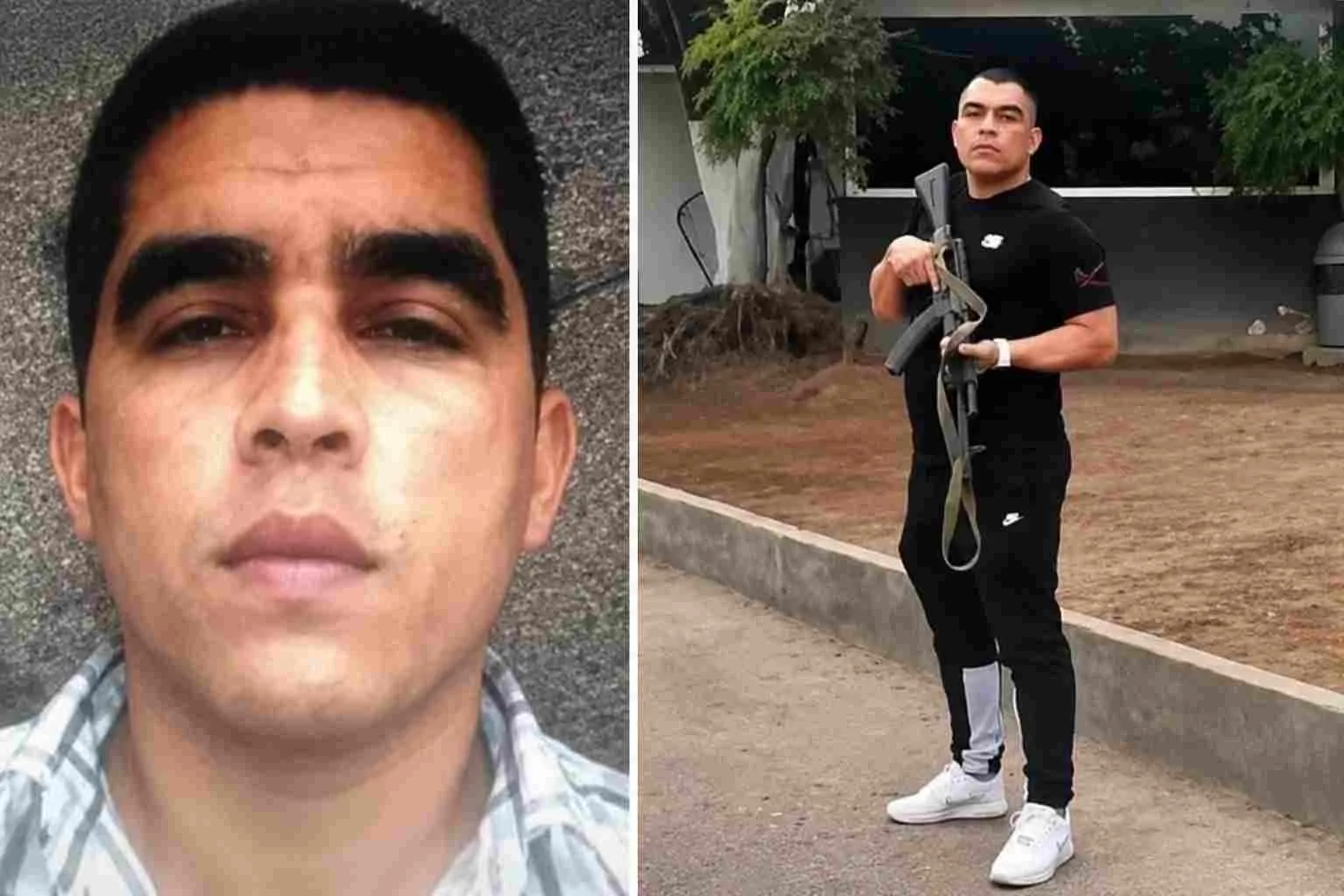
Donald Trump announced the execution of Niño Guerrero, the founder and supreme leader of the Tren de Aragua criminal organization, in a joint operation between the United States and Venezuela. The announcement was made via a social media post on June 12, 2026, at approximately 11:07 PM. According to Trump, the operation was executed by the United States Southern Command under his direct orders, in close partnership with Venezuelan forces. He described the action as a "quick and lethal strike" against one of the most dangerous terrorist organizations on the planet.
Operation Details and US-Venezuela Cooperation
President Trump stated that the mission was carried out in "close cooperation with our friends in Venezuela, with whom we are working very well." The operation eliminated the top leader of the Tren de Aragua, a group Trump called one of the most bloodthirsty criminal organizations. The social media post included a direct quote: "Under my orders, the United States Southern Command carried out a quick and lethal strike to successfully execute Niño Guerrero, the infamous leader of the Tren de Aragua." The U.S. government had previously listed Guerrero as a defendant in cases involving narco-terrorism, international drug trafficking, and money laundering.
What happened in the operation that killed Niño Guerrero?
The joint mission reportedly involved intelligence sharing and coordinated tactical action between U.S. Special Operations and Venezuelan security forces. Although specific details of the raid were not disclosed, Trump emphasized the effectiveness of the cooperation. The operation marks a rare instance of direct military collaboration between Washington and Caracas, two nations with historically strained diplomatic relations. The success of the strike was attributed to the shared interest in dismantling the Tren de Aragua's leadership.
Who was Niño Guerrero, the founder of the Tren de Aragua?
Niño Guerrero, whose real name is Héctor Rusthenford Guerrero Flores, was identified as the founder and principal leader of the Venezuelan criminal group Tren de Aragua. He began his criminal career as the leader of the Tocorón Penitentiary in Aragua state, where he consolidated power and turned the prison into an operational base. Under his command, the group established a rigid hierarchy, with access to military-grade weapons and control over illicit businesses. Guerrero was considered the top chieftain of the faction and was on the U.S. government's list of defendants for transnational crimes.
How did the Tren de Aragua become a transnational organization?
The Tren de Aragua emerged in the early 2010s in Aragua state, northern Venezuela, home to the Tocorón prison. In recent years, the faction expanded into other Latin American countries, including Colombia, Chile, and Peru, as reported by AFP and UOL. The cartel's expansion is directly linked to the Venezuelan migration flow. In a master's thesis in International Relations at the University of São Paulo (USP), researcher Maria Nilza Silva Oppermann stated that migration was decisive in transforming the Tren de Aragua from a prison faction into a transnational organization. The group began controlling border routes and trails, as well as transportation terminals, charging fees, extorting migrants, and exploiting women through human trafficking.
How does the Tren de Aragua operate in Brazil?
The faction was first identified on Brazilian territory in 2019, in the municipality of Pacaraima, Roraima, on the border with Venezuela. Since then, it has consolidated its presence in indigenous areas and the local prison system. Its activities became more structured from 2022 onward, expanding to other municipalities in the state, including the capital Boa Vista. According to Oppermann, the Tren de Aragua operates as a "criminal subcontracting network," focused on retail drug trafficking, sexual exploitation, and gold smuggling. Its decentralized structure allows the group to adapt to different regions and local alliances.
What is the relationship between the Tren de Aragua, PCC, and Comando Vermelho?
The study "Cartography of Violence in the Amazon," released in 2025 by the Brazilian Public Security Forum, indicates that the Tren de Aragua operates in the same region as the Primeiro Comando da Capital (PCC) and the Comando Vermelho (CV). In Pacaraima, the Venezuelan faction works together with the Brazilian organizations, mainly through service provision. These services include security for cocaine transportation, weapons supply, and protection for illegal miners. A report by UOL also identified the presence of the Sindicato do Crime in the region. Experts and reports from the Public Prosecutor's Office of Roraima indicate no records of direct confrontations between the groups, with a commercial cooperation relationship prevailing.
What does the death of Niño Guerrero mean for organized crime in Latin America?
Guerrero was accused of leading violent operations, controlling trafficking routes, and using heavy weaponry to maintain the cartel's influence. His execution occurs amid growing international pressure on the Tren de Aragua, whose leaders are wanted by Interpol and authorities from multiple countries. Guerrero's brother, Jason Robert Guerrero Flores, also among the group's chiefs, was arrested in Spain on charges of terrorism, drug trafficking, and money laundering. The unprecedented cooperation between the U.S. and Venezuelan governments in this operation signals a possible shift in the approach to combating organized crime in the region.
Frequently Asked Questions
Who was Niño Guerrero?
Niño Guerrero, whose real name is Héctor Rusthenford Guerrero Flores, was the founder and supreme leader of the Tren de Aragua. He began his criminal career at the Tocorón Penitentiary in Venezuela and was accused by the United States of narco-terrorism, international drug trafficking, and money laundering.
What is the Tren de Aragua?
The Tren de Aragua is the largest criminal faction in Venezuela, emerging in the early 2010s in Aragua state. The group expanded into other Latin American countries, including Colombia, Chile, and Peru, and began operating in Brazil from 2019 onward, especially in Roraima.
How does the Tren de Aragua operate in Brazil?
The faction was identified in Pacaraima (RR) in 2019, with a presence in indigenous areas and the prison system. From 2022, it expanded to Boa Vista and other municipalities. The group engages in drug trafficking, sexual exploitation, and gold smuggling, often in partnership with Brazilian factions such as PCC and Comando Vermelho.