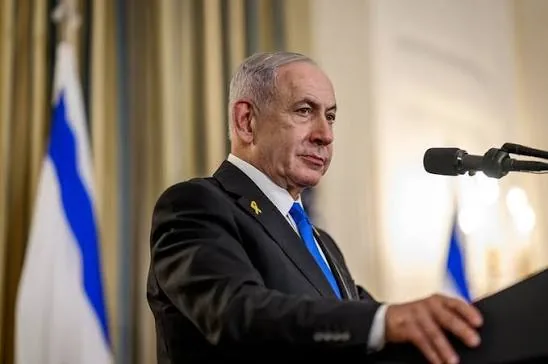
Israel launched new airstrikes on Iranian soil this Sunday, directly disregarding a personal appeal from US President Donald Trump to avoid exacerbating diplomatic tensions. The operation targeted military sectors and energy installations in Tehran, escalating a cycle of retaliation that began with Iranian missile attacks on northern Israel. The move signals a rare public rift between the two allies, with Washington urging restraint while Tel Aviv presses forward with what it calls necessary self-defense.
Retaliatory Cycle Intensifies
The latest hostilities trace back to a series of Iranian missile strikes launched in response to earlier Israeli military operations in Tel Aviv and the Beirut region. Those operations, according to the source, prompted Iran to fire missiles toward northern Israel. In retaliation, Israel bombed military and energy infrastructure in the Iranian capital. The exchange has raised alarm across the Middle East, as each side appears unwilling to halt the escalation.
Regional Stability at a Breaking Point
International relations experts describe the current situation as one of the most precarious in the region in recent years. There is growing fear that the confrontations could draw in armed groups allied with Tehran, widening the conflict beyond its current boundaries. Western governments and international organizations have voiced deep concern, all urging an immediate return to diplomatic dialogue as the only sustainable path forward. The risk of a broader regional war now looms larger than at any point in recent memory.
Washington and Tel Aviv at Odds
Israel’s decision to defy Trump’s request exposes fundamental differences in strategy between the two longtime partners. While the American administration seeks to preserve ongoing diplomatic negotiations with Iran, Israeli leaders argue that military action is indispensable for national security. Analysts characterize Netanyahu’s posture as reckless and warn that it undermines US efforts to de-escalate the crisis. The public divergence weakens Washington’s leverage in its dealings with Tehran.
Israeli officials maintain that the bombings were imperative given what they describe as an imminent threat from Iran. Despite the tactical disagreements, Washington has reaffirmed its political and military commitment to Israel. The United States continues to stand as an ally on the international stage, even as it pushes for a diplomatic resolution in the Middle East. This paradox, however, complicates the American position and could embolden Iranian hardliners.
Next Steps Under Global Scrutiny
The international community is watching developments with a mix of apprehension and urgency. Many fear the current clashes could trigger a wider conflict involving other nations and proxy forces. In the coming days, further diplomatic or military moves are expected from all sides. The world now waits to see how Netanyahu and Trump will navigate this unprecedented crisis, which has no immediate parallel in recent history.