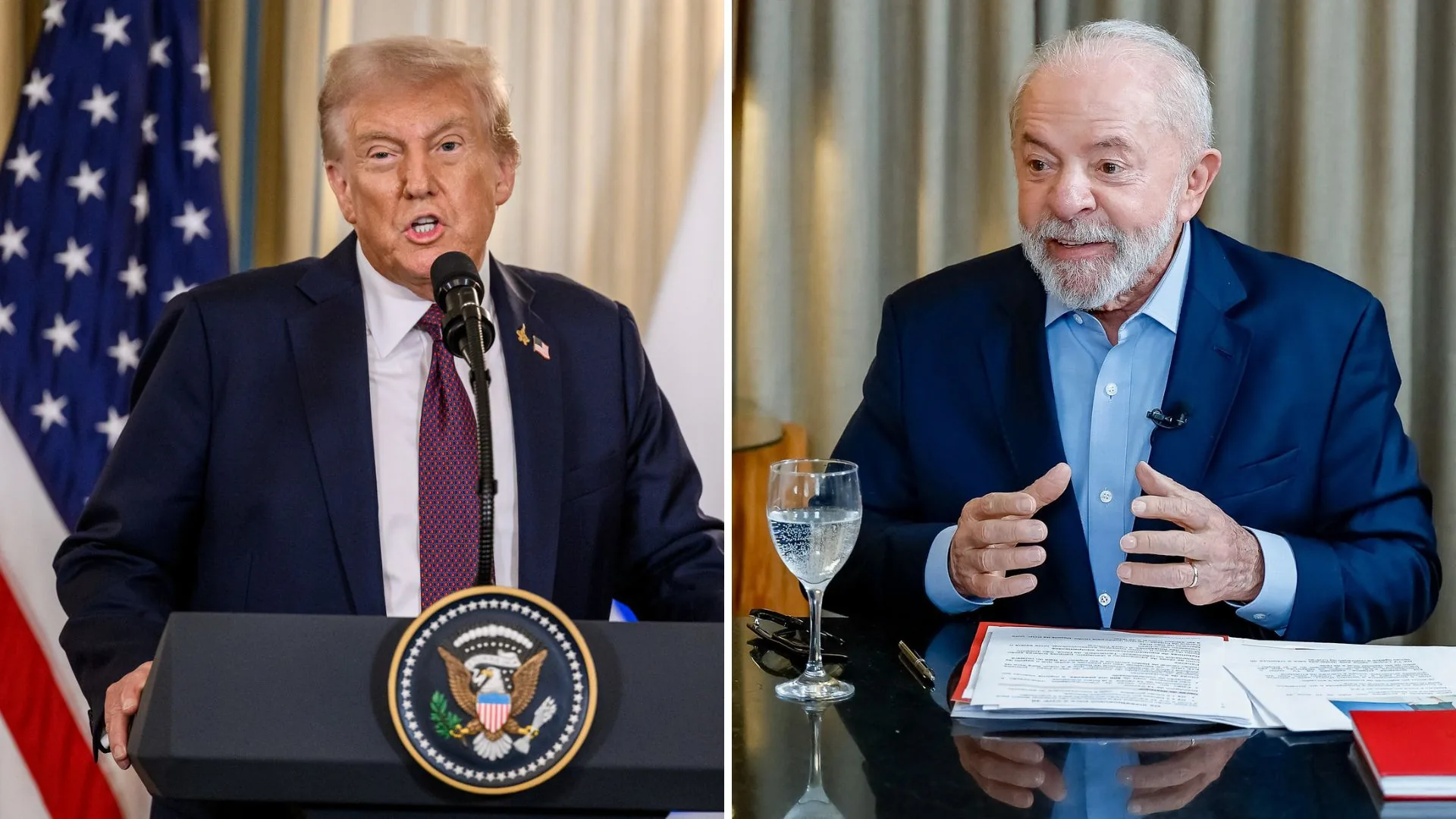
Brazilian President Luiz Inácio Lula da Silva on Tuesday directly demanded a telephone call from U.S. President Donald Trump to clarify the surprise imposition of a 25% punitive tariff on Brazilian products. Lula, speaking at the inauguration of a hospital in Catalão, Goiás, said Trump "owes me a meeting" and that the tariff contradicts the cooperative spirit established during their face-to-face encounter in Washington on May 7. The tariff, announced Monday, was justified by the U.S. administration citing alleged unfair practices by Brazil in digital commerce and illegal deforestation. Lula’s public appeal signals both frustration and a desire to keep diplomatic channels open despite the escalating trade dispute.
The May Meeting and the Thirty-Day Window
On May 7, the two leaders met in Washington and agreed that their ministerial teams would have thirty days to discuss sensitive issues, including tariffs and a U.S. investigation involving the Pix payment system. Lula noted that the deadline had not yet expired, making the tariff's arrival earlier than expected. He recalled Trump saying there was "chemistry" between them, arguing the new measure undermines that understanding. The Brazilian president stressed that ministers were already working, and the space for agreement still exists.
A Direct Challenge to the White House
Lula did not mince words when addressing his American counterpart, stating, "you owe me a meeting and I owe one to you." He said he is waiting for a phone call from Trump to explain "what happened in your absence and in my absence," suggesting the tariff decision may have been made without Trump's full knowledge. The Brazilian leader reinforced that the technical talks were underway and that mutual understanding remains possible. By making the appeal in public, Lula also signaled to his electorate that he will not passively accept unilateral measures.
The Broader Trade Dispute
The U.S. tariff announcement caught the Brazilian government mid-negotiation at the ministerial level. Washington pointed to Brazilian practices deemed unfair across several fronts—from digital commerce to illegal deforestation—which were already being discussed. The measure affects various Brazilian imports, though the U.S. government did not immediately detail the full list of products impacted. Analysts view the American action as a severe blow to bilateral relations at a moment when both countries were trying to align positions.
Allegations of Unfair Practices
The justification for the 25% tariff rested on claims of Brazilian misconduct in areas such as digital trade and environmental enforcement. These issues were already on the table during the ministerial talks, making the abrupt tariff seem contradictory to the agreed negotiation timeline. Lula’s reference to the thirty-day window underscores his view that the measure was premature. The lack of product-specific details has added uncertainty for Brazilian exporters, who now await clarity from Washington.
Pix at the Heart of the Tension
Lula acknowledged that the Pix instant payment system is a key point of strain between the two countries. "The Americans' concern is that Pix can greatly shake up their credit card companies that operate here in Brazil," he explained. He stated that Pix, being free and public, tends to replace card services, which bothers U.S. firms in the country. Lula defiantly declared, "And Pix will end up replacing them anyway," and then joked that Trump should adopt Pix in the United States instead of fearing competition. "Make a Pix to us," he said with irony.
Diplomacy Remains the Preferred Path
The Brazilian president made clear that despite the tariff, the dialogue channel remains open. His reference to the thirty-day deadline for ministerial negotiations indicates that Lula still bets on diplomacy to reverse or mitigate the U.S. measure. However, the public pressure on Trump increased with the appeal for a phone call. The Palácio do Planalto, for now, awaits a response from Washington. The expectation is that direct contact between the two leaders could unlock talks and prevent a retaliatory escalation that would further harm Brazil-U.S. relations.