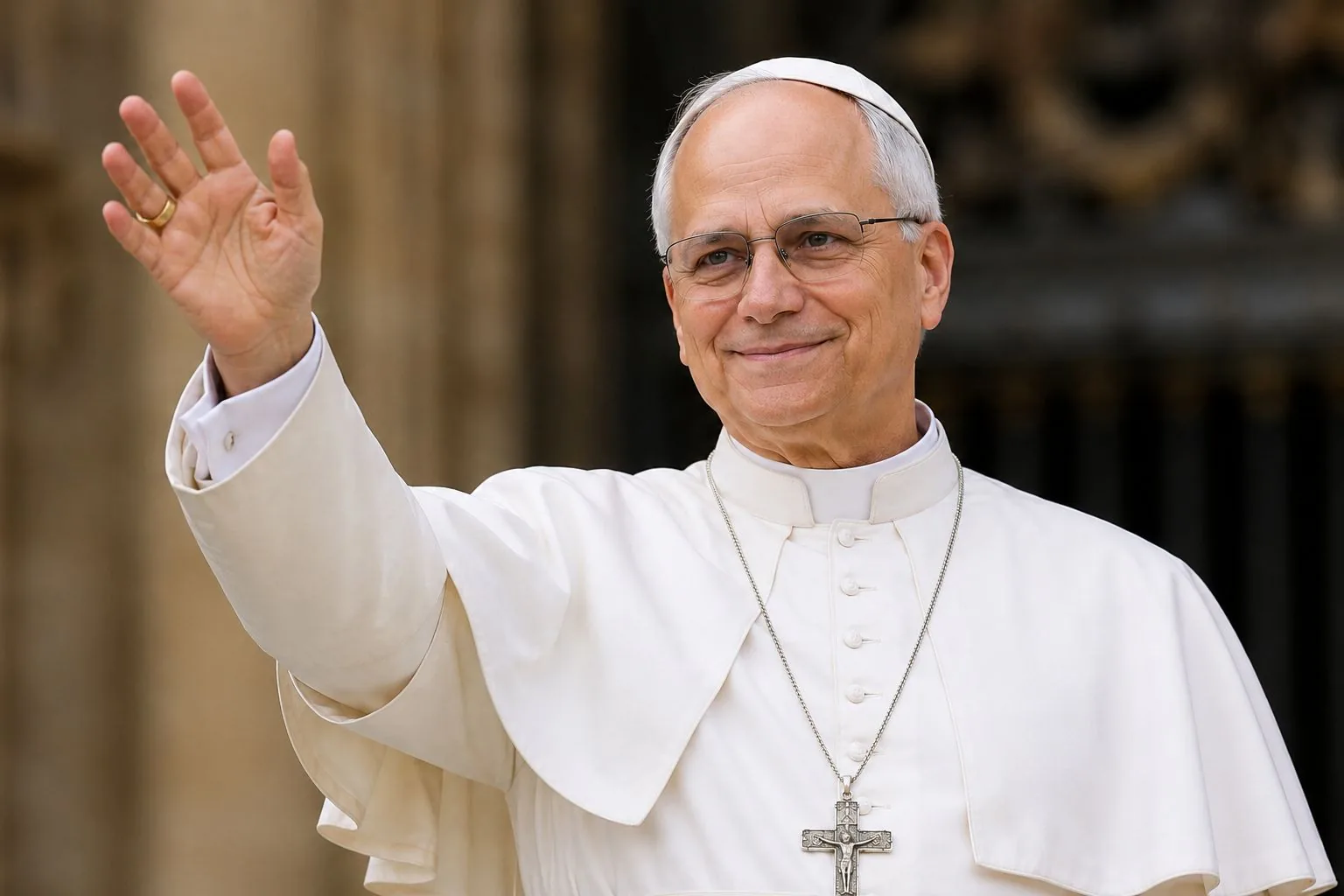
A technical failure in the engine of Pope Leo XIV’s aircraft forced the pontiff to abandon his return to Rome on Friday, June 12, moments before takeoff from Spain. The pope had just concluded a week-long visit to the country, where he met with religious and civil leaders. The incident occurred as the plane, carrying Vatican officials and journalists, prepared to taxi onto the runway. The pilot informed the crew of a maintenance issue, prompting an immediate halt to the departure.
Engine Failure Forces Emergency Disembarkation
According to official accounts, Pope Leo XIV was already aboard and had been bid farewell by King Felipe VI and other Spanish leaders when the pilot announced the problem. The king personally accompanied the pontiff back to the airport terminal, a scene captured by photographers and broadcast by local media. While the situation generated apprehension among passengers, it unfolded without panic. The image of the pope descending the aircraft stairs under royal escort quickly circulated across news outlets.
Wind Factor and Unsuccessful Restart Attempt
In a second statement issued after the pope had disembarked, the commander explained that the engine likely failed to start due to wind conditions. The technical team planned to tow the aircraft to a position facing the airflow, hoping to restart the engine. However, the attempt proved unsuccessful. The pilot then determined that the problem could not be resolved on the spot and ordered all occupants to leave the plane.
Iberia Dispatches Replacement Aircraft from Madrid
Facing an immediate repair impossibility, the airline operating the papal flight arranged an alternative solution. A spokesperson for Iberia, which operates the aircraft, confirmed that the original plane experienced an unspecified technical issue. The company announced that a replacement aircraft was being sent from Madrid later on Friday to complete the journey to Rome. The Vatican did not release a new departure time, but expectations held that the pope would arrive in the Italian capital later that day.
Symbolic Timing and Logistical Vulnerabilities
The incident comes at a symbolic moment: Pope Leo XIV was returning from his first major international trip since his election. The visit to Spain featured meetings with religious and civil leaders as well as public addresses. The mechanical mishap, while not serious, exposes the logistical vulnerability of papal travels. The Holy See’s fleet of chartered flights depends on third-party operators such as Iberia for regular operations.
King Felipe VI demonstrated solidarity by personally escorting the pontiff back to the airport lounge. For the faithful, the gesture reinforced the historical ties between Spain and the Catholic Church. There is no official information yet on whether the technical problem will be investigated or whether preventive measures will be adopted.
While awaiting the new aircraft, Pope Leo XIV remains under the care of Vatican security in a reserved room at the airport. The priority now is to ensure a safe return to Rome later today. The Iberia spokesperson reiterated the company’s commitment to resolving the situation and confirmed that the substitute plane is already en route. The episode, though unusual, is not expected to affect the pope’s agenda in the coming days.
Expert Assessment: Safety Decision Praised
According to experts consulted by news agencies, the technical problem in the engine may be related to common issues in commercial aircraft, such as ignition malfunctions or wind sensor failures. The decision not to attempt the flight with an unstable engine was correct from a safety perspective. The transparency of communications from the commander and Iberia helped avoid speculation. The Vatican, for its part, limited itself to confirming the facts without adding further details.