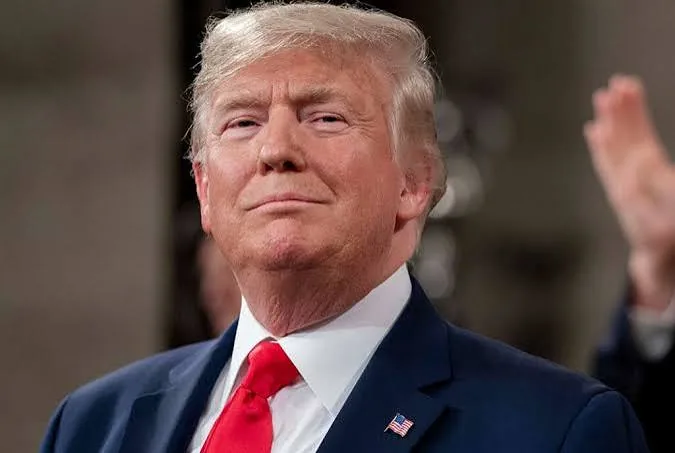
President Donald Trump has demanded an immediate ceasefire between Israel and Iran, issuing a brief but forceful post on his Truth Social platform on Monday, June 8, 2026. The call comes as fresh exchanges of fire between the two nations threaten to unravel delicate diplomatic progress between Washington and Tehran. Trump used his social media account to urge an end to the "troca de tiros," or exchange of gunfire, without providing further details on next steps. The post reflects a moment of acute tension, with both sides resuming hostilities after a period of relative calm.
Ceasefire Call Amidst Renewed Hostilities
The president’s demand follows a breakdown of a two-month truce between Israel and Iran. According to reports from Estadão Conteúdo citing official sources, the two countries have resumed attacks in recent days, breaking the fragile pause that had held since late March. This renewed violence directly jeopardizes ongoing behind-the-scenes negotiations for a broader agreement between the United States and Iran aimed at ending the conflict in the Middle East. The new wave of fighting escalates regional tensions and casts doubt on the viability of any lasting diplomatic solution.
Iran Launches Missiles First Time Since April
In a significant development, Iran fired missiles at Israel for the first time since the ceasefire was reached in April. The attack marks a dramatic escalation, shattering the relative quiet that had prevailed. Reports from Estadão Conteúdo indicate that this missile launch was a key trigger for the renewed confrontation. The timing of the strikes, just days before Trump’s public intervention, underscores the rapid deterioration of the security situation along the border.Diplomatic Efforts at Risk
The return to direct attacks places immense strain on the broader US-Iran talks, which had been a cornerstone of American strategy in the region. The Biden administration—now under Trump—had been pursuing a comprehensive pact to permanently end hostilities, but the current violence threatens to derail those efforts entirely. Trump’s Truth Social message can be seen as an urgent attempt to salvage the negotiations before they collapse. His post comes amid reports that he personally urged Israeli Prime Minister Benjamin Netanyahu not to retaliate against Iran, according to information published by Axios.
White House Seeks to Contain Escalation
The American president’s call for calm signals a clear effort by the White House to prevent the conflict from spiraling further out of control. By publicly demanding a halt to all shooting, Trump is delivering a direct message to both parties: restraint is needed, not confrontation. His reported private pressure on Netanyahu not to respond militarily suggests deep concern in Washington that any Israeli retaliation could trigger a wider regional war. The combination of a public ultimatum and private diplomacy illustrates the high-stakes balancing act the administration is now performing.Oil Markets React Sharply
The renewed fighting has already sent shockwaves through global energy markets. By approximately 7:20 a.m. Brasília time, the price of West Texas Intermediate crude oil had surged 4.5%. The spike reflects investor fears that the escalation could disrupt oil supplies from the Middle East, a key producing region. The sharp increase occurred within a short window after market opening, indicating an immediate and powerful reaction to the worsening geopolitical landscape. Analysts warn that further volatility is likely in the coming days as traders monitor the situation.
The economic impact extends beyond oil prices. Global financial markets are closely watching developments, with concerns that continued conflict could have broader repercussions for the world economy. The combination of armed confrontation and diplomatic uncertainty creates a high-risk environment for investors. Trump’s call for a ceasefire, while firm, does not guarantee that calm will be restored. The next steps from both Israel and Iran will determine whether the fragile peace can be revived or whether the region slides into an even deeper crisis.