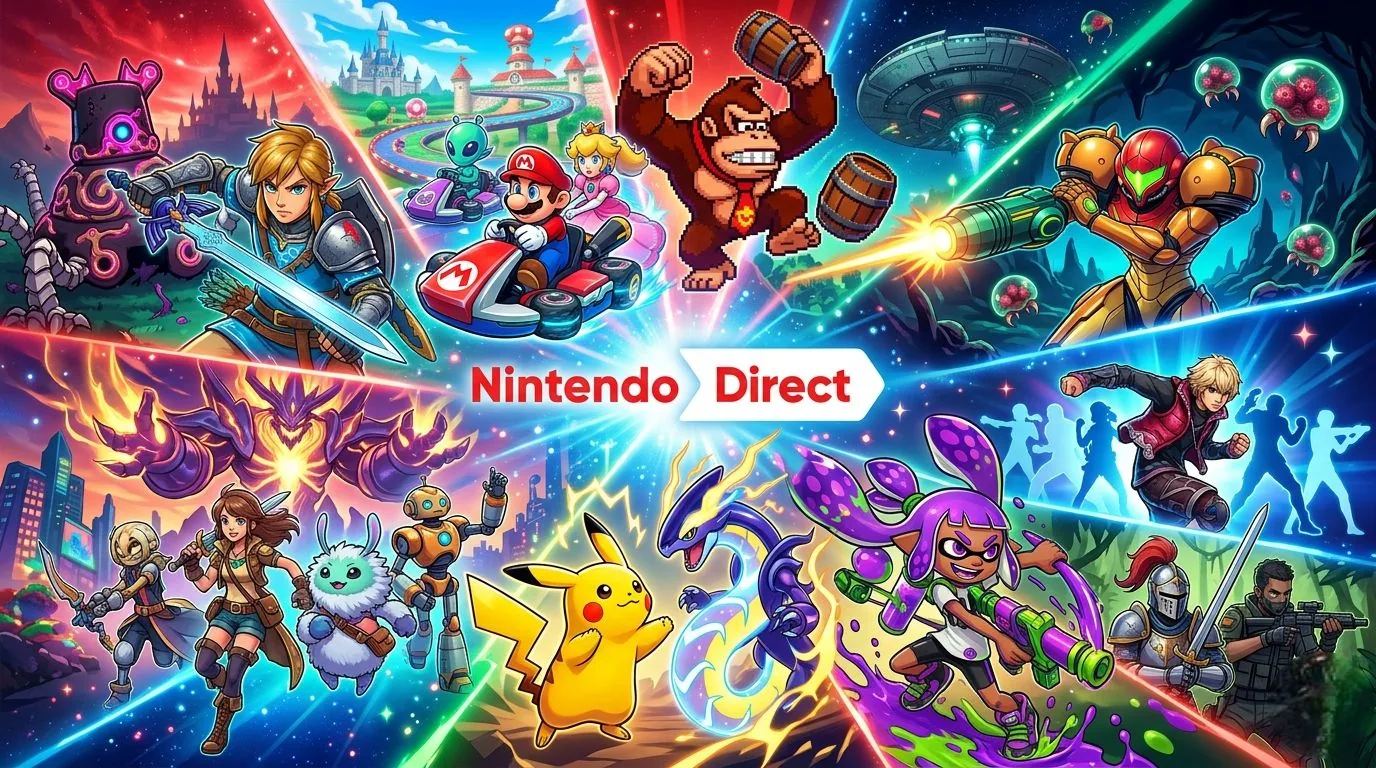
Tuesday's Nintendo Direct served as the closing major showcase for Summer Game Fest, and it laid bare a company wrestling with its identity. On one side stands the classic, whimsical Nintendo beloved for quirky and nostalgic titles like Rhythm Heaven Groove, Nintendo Switch Sports Resort, and a The Legend of Zelda: Ocarina of Time remake. On the other side is a more modern Nintendo, one now equipped with a console—the Switch 2, roughly a year old—capable of running visually demanding games.
A Company in Flux: The Duality of Nintendo’s Vision
For the first time since the GameCube era, Nintendo can match Microsoft and Sony in graphical horsepower, thanks to the Switch 2's architecture. Yet this technological leap has created an awkward dynamic. Because the Switch 2 has been on the market for only about a year, developers are gradually porting their existing titles to the new platform, producing a sense of hand-me-downs rather than fresh exclusives. Titles such as Stellar Blade, Dragon's Dogma 2, Lies of P, and Devil May Cry 5 have been available on other systems for years, and seeing them prominently featured in a Nintendo Direct makes the hardware feel immediately dated.
The Hand-Me-Down Effect on Perception
To counter this impression, the company needed to push its own first-party franchises to the forefront—and that did not happen sufficiently in this show. While the reveals of Kingdom Hearts 4, Xenoblade Genesis, and the Ocarina of Time remake generated excitement, Nintendo must do more to drive Switch 2 sales, especially during the ongoing memory shortage that is inflating prices for even older hardware. Without a robust lineup of exclusive, must-play games, persuading consumers to invest in the new console becomes harder.
The Economic Pressure Behind the Direct
Establishing a large user base is critical now, and that goal will not be achieved with three-year-old ports that run with slightly less impressive graphics than on other platforms—and are sold at full price. Nintendo needs to stop reminding everyone that it has merely caught up to Microsoft and Sony in third-party support. Instead, its messaging should promise that anyone buying a Switch 2 gains access to a treasure trove of original Nintendo games without missing out on other major AAA titles.
Full Roster of Announced Games
The following titles received trailers during the event:
- Rhythm Heaven Groove
- Onimusha: Way of the Sword
- Dragon's Dogma 2: Dark Arisen
- Stellar Blade
- Orbitals
- Rayman Legends Retold
- Big Walk
- One Piece: Grand Gourmet
- Pokemon Pokopia Expansion Pass
- Fire Emblem: Fortune's Weave
- Ninjala 2: The Uncharted Planet
- Lords of the Fallen 2
- Lies of P: Complete Edition
- Devil May Cry 5: Devil Hunter Edition
- Muramasa: Revenant Blades
- Xenoblade Chronicles 1, 2 and 3: Switch 2 Editions
- Xenoblade Genesis
- Nintendo Switch Sports Resort
- Runescape: Dragonwilds
- Hello Kitty Party Land
- Final Fantasy Resonance
- Pikuniku 2
- Dragon Quest Monsters: The Withered World
- The Duskbloods
- Splatoon Raiders
- Deltarune Chapter 5
- Metaphor: ReFantazio
- Minecraft
- Partner Highlight Sizzle Reel
- Kingdom Hearts Collection
- Kingdom Hearts 4
- The Legend of Zelda: Ocarina of Time
This extensive list underscores the breadth of content coming to the Switch 2, but the mix of older ports and a few new first-party titles leaves a strategic question unanswered.
What the Direct Says About Nintendo’s Next Moves
The presentation highlighted a company still defining its pitch for the Switch 2 era. The hardware's power is no longer the differentiator—it is now a baseline. Without a steady drumbeat of exclusive, system-selling Nintendo franchises, the console risks being perceived as a catch-up device rather than a destination for innovation. The memory shortage and price increases add urgency to this messaging challenge.