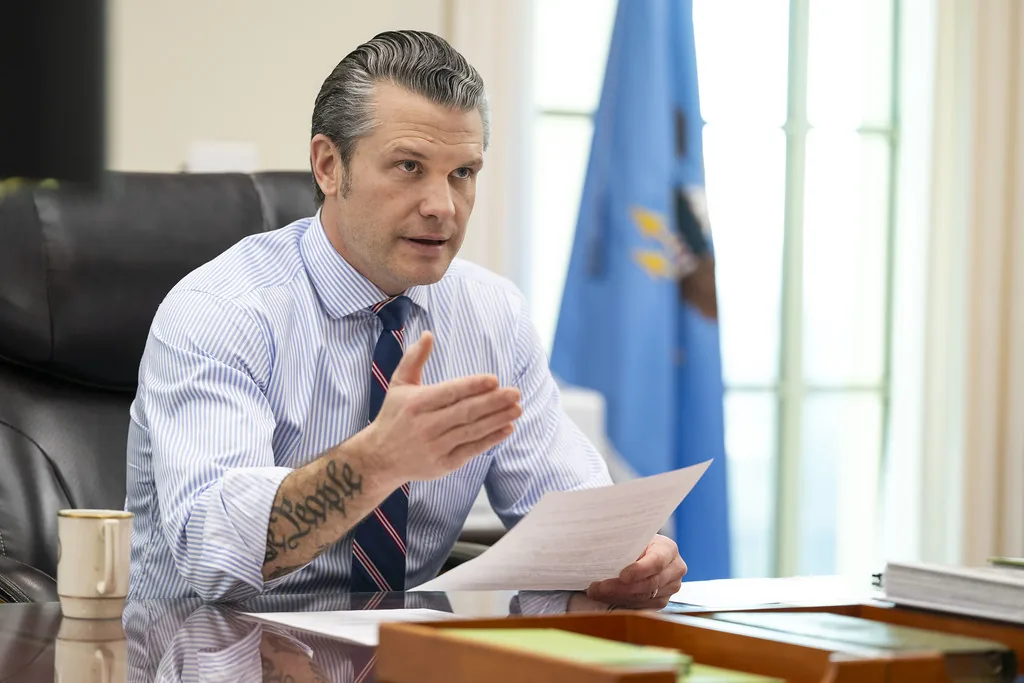
US Defense Secretary Pete Hegseth has refused to rule out a military operation to capture Cuban President Miguel Díaz-Canel, stating that the Pentagon is considering a full spectrum of options. Speaking at the headquarters of the US Central Command (CENTCOM) in Florida, Hegseth responded to a direct question about whether a “capture or kill” mission against the Cuban leader is under Pentagon consideration. “We have options from all sides,” he said, neither confirming nor denying the existence of a specific plan. The remark marks a significant rhetorical escalation in the already tense relationship between Washington and Havana.
Pentagon Emphasizes Planning Capabilities and Pressure on Cuban Regime
Hegseth underscored the US military’s planning expertise during his appearance. “We literally make a living by planning. So, outside the Pentagon, no one plans better than CENTCOM,” he declared. He added that all these options remain on the table, returning to what he called the central reason for their presence there. The secretary also stated that there is substantial pressure on the Cuban regime at this moment, and, in his view, rightly so. He argued that the island’s authorities have major decisions they should make, and that leaders sometimes make wrong choices when under pressure. This framing suggests that Washington is deliberately increasing the strain on Díaz-Canel’s government, using military ambiguity as a tool of coercion.
Hegseth Avoids Comparison with Venezuela Operation
When asked whether the Defense Department is planning an operation similar to the one conducted in Venezuela to capture President Nicolás Maduro, Hegseth sidestepped the comparison. He limited his response to repeating: “All I would say is: options, options, options. Our job is to present options at different scales, depending on where the commander-in-chief, the president of the United States, wants to go.” By declining to draw a parallel, he left open the possibility that any future mission in Cuba could take a distinct form. CNN requested comments from the Cuban government regarding Hegseth’s statements but has not yet received an official response. This silence from Havana may indicate caution or internal deliberation.
Visit to Guantánamo and Donald Trump’s Role in Cuba’s Future
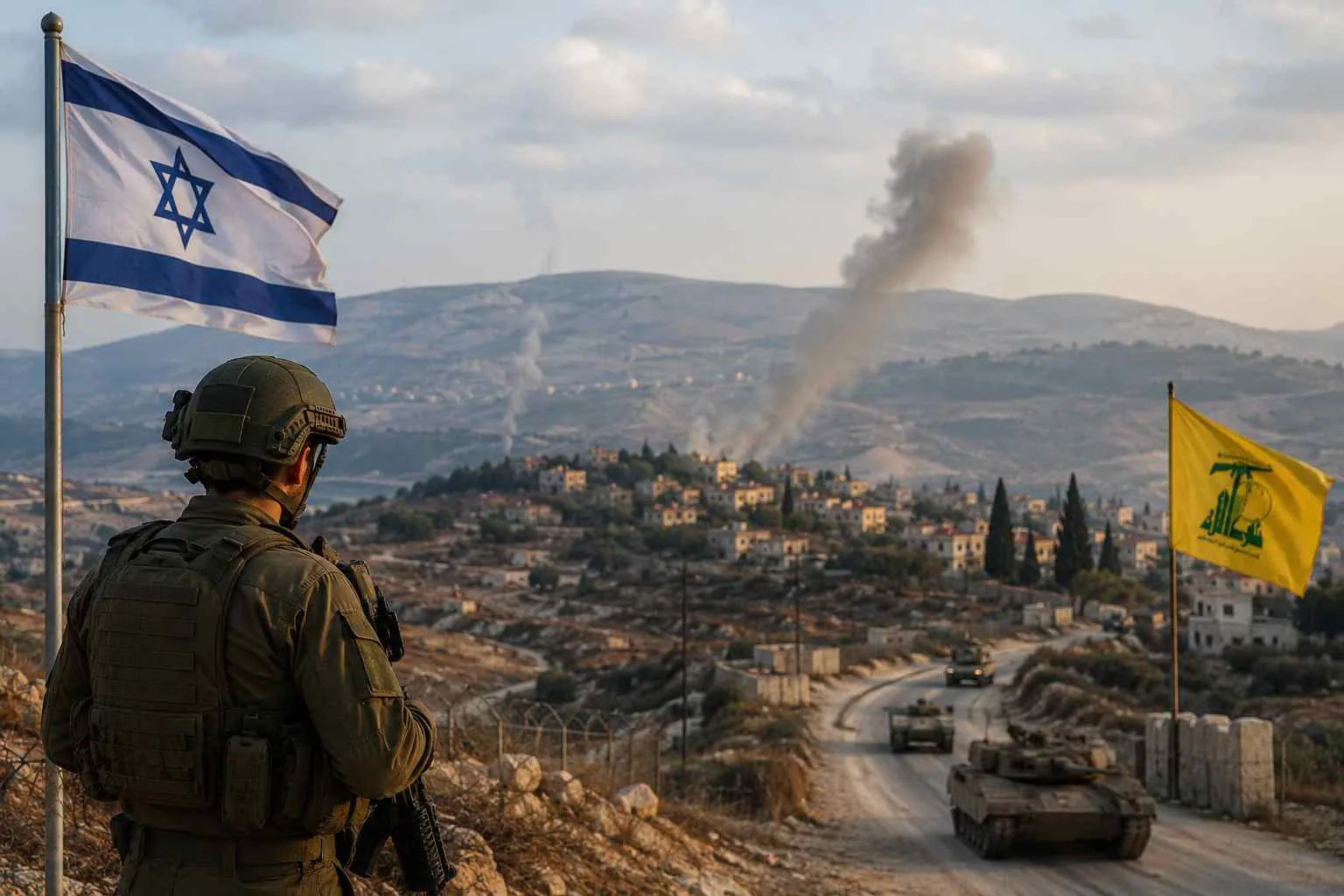

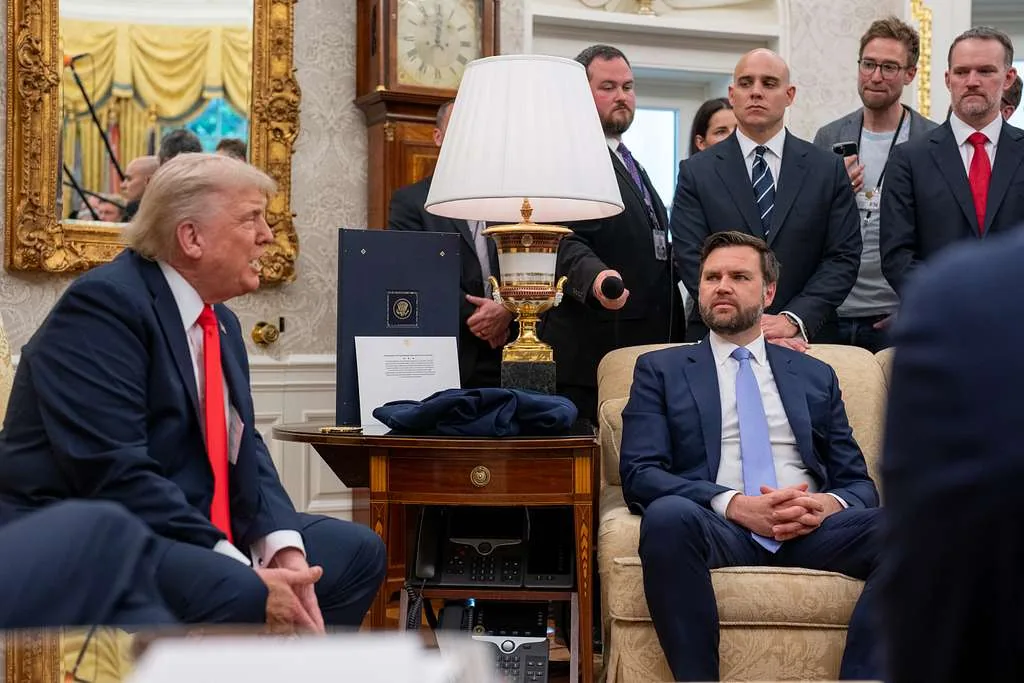
On Wednesday, Hegseth visited the Guantánamo Bay naval base, where he asserted that “what happens in the future of Cuba is in the hands of the president of the United States,” referring to Donald Trump. He added that the Defense Department will be prepared and positioned for any contingency that arises. The visit came just days after Washington announced new sanctions targeting Díaz-Canel and other senior Cuban officials. Since January, the White House has intensified pressure on Havana through an oil blockade that has worsened the country’s energy crisis, demanding that the government implement political and economic reforms. The convergence of military readiness and economic coercion points to a coordinated strategy aimed at forcing change in Cuba.
Cuba’s UN Representative Rejects US Assertions on Sovereignty
Cuba’s permanent representative to the United Nations, Ernesto Soberón, reacted swiftly on social media platform X (formerly Twitter). He wrote: “The future of Cuba, a sovereign and independent country, belongs exclusively and solely to the Cuban people and their government. The Secretary of Defense, who believes that Cuba’s future is in other hands, is completely mistaken.” This response underscores Havana’s firm rejection of any external intervention and its insistence on national self-determination. Soberón’s statement, posted on an official diplomatic account, effectively warns that any unilateral action by Washington would be seen as a violation of international law.
Hegseth’s remarks come amid a backdrop of rising bilateral tensions. Beyond the sanctions, Cuba’s energy crisis has deepened with the petroleum blockade imposed by Washington. The Trump administration is demanding that Díaz-Canel’s regime undertake reforms, while Havana reaffirms its refusal to yield to external pressures. The prospect of a direct military action, though unconfirmed, elevates the confrontational tone between the two nations. Officials in Miami and Washington are closely monitoring any signs of further escalation, while analysts debate the likelihood of a unilateral intervention that could destabilize the Caribbean region.