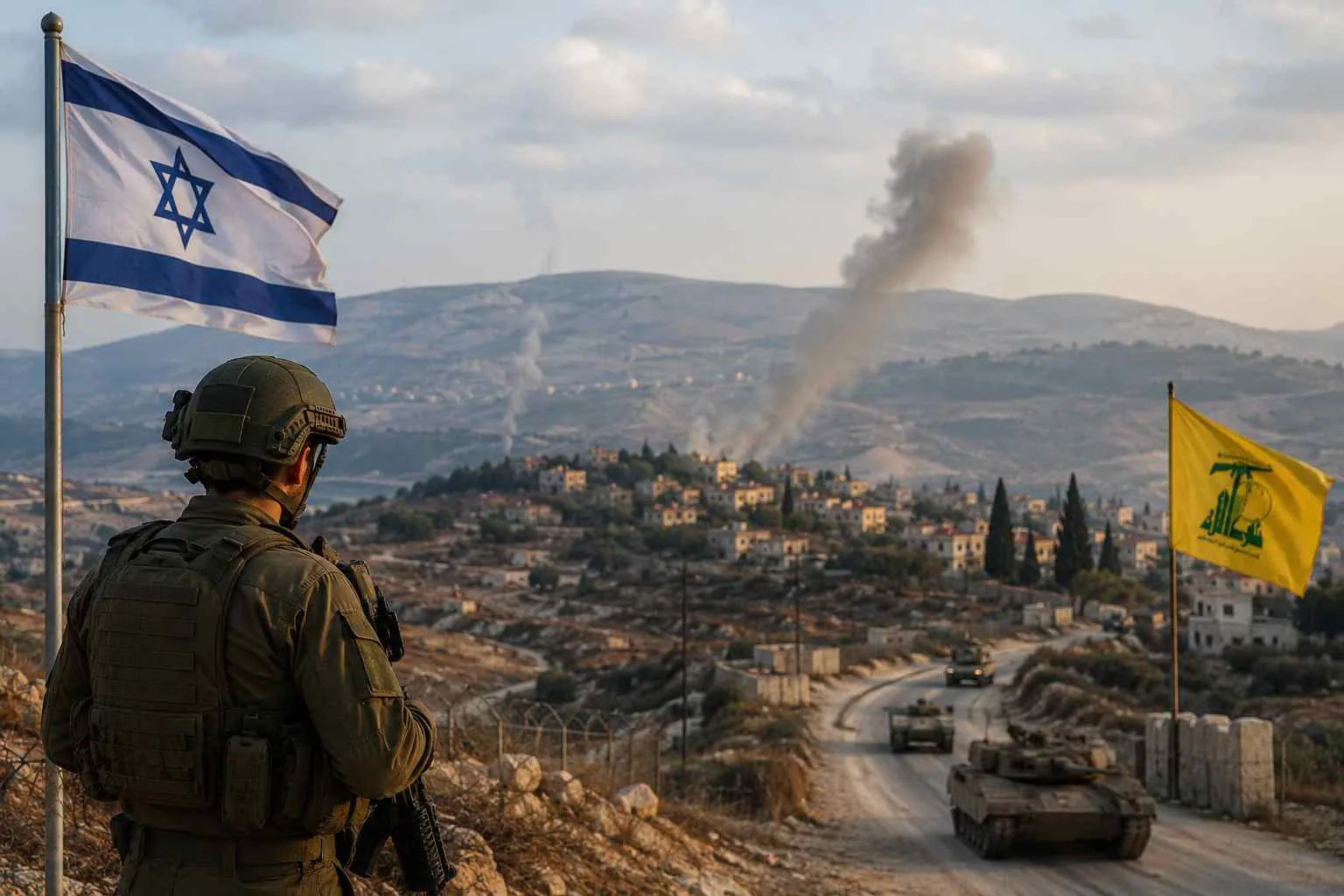
Israel has announced that it will maintain its military presence in southern Lebanon despite the recent diplomatic agreement between the United States and Iran aimed at reducing regional tensions. The decision, already considered one of the most closely watched developments in global geopolitics, raises concerns about the future of security in the Middle East and the durability of the emerging understanding between Washington and Tehran. The announcement comes at a crucial moment for the region, after months of escalated violence, diplomatic pressure, and military confrontations involving multiple actors. The United States and Iran revealed a landmark effort intended to reduce hostilities and lower the risk of a broader regional conflict. However, Israel's position demonstrates that significant challenges remain before lasting stability can be achieved.
Israel's Decision and the Challenges to the US-Iran Accord
Why Is Israel Insisting on Staying in Southern Lebanon?
Israeli leaders have made it clear that the country's security strategy will not automatically change because of diplomatic developments between Washington and Tehran. Government officials insist that military deployments in southern Lebanon remain necessary to protect Israeli communities near the border and prevent hostile groups from expanding their influence. According to Israeli officials, maintaining control over essential security zones is considered fundamental to preventing future attacks and preserving deterrent capabilities. The government argues that any withdrawal would require significant security guarantees and verifiable changes on the ground. Prime Minister Benjamin Netanyahu and senior defense officials have repeatedly stated that Israel will continue taking all measures it deems necessary to defend its citizens from potential threats originating beyond its borders.
What Does the US-Iran Agreement Entail?
The recent diplomatic breakthrough between the United States and Iran surprised many international observers. The accord was designed to reduce tensions that have escalated across the Middle East and threatened global energy markets, international trade routes, and regional stability. The landmark framework reportedly includes measures aimed at reducing military activity, encouraging diplomatic communication, and lowering the risk of direct confrontation between major regional actors. Financial markets responded positively to the announcement, with oil prices falling as investors anticipated reduced risks for energy supplies. However, the agreement does not automatically resolve all regional disputes — long-standing conflicts involving Israel, Hezbollah, Lebanon, Syria, and other actors remain active and complex.
Regional Actors and the History of Conflict
Who Is Hezbollah and What Is Its Influence?
Understanding the significance of Israel's decision requires grasping Hezbollah's role in the region. Founded during the early 1980s, Hezbollah has evolved into one of Lebanon's most influential political and military organizations. The group maintains significant military capabilities and has played a major role in Lebanese politics for decades. Hezbollah receives support from Iran and often describes itself as part of a broader regional resistance movement. Israel, the United States, and several other countries classify Hezbollah as a terrorist organization, while the group retains strong support among segments of the Lebanese population. The relationship between Israel and Hezbollah has been characterized by periodic conflicts, military confrontations, and ongoing tensions for more than four decades.
What Is the History of Conflict Between Israel and Hezbollah?
The roots of the current situation go back many years. Southern Lebanon has long been a focal point of conflict between Israel and Hezbollah. Major confrontations occurred during the 1990s and culminated in the 2006 Lebanon War, which caused extensive destruction and significant casualties on both sides. Although the conflict officially ended with a United Nations-mediated ceasefire, tensions never fully dissipated. Cross-border incidents, missile launches, military operations, and political disputes have continued to shape relations between Israel and Hezbollah. Over time, both sides have invested heavily in military capabilities, creating one of the most heavily armed and monitored border regions in the world.
Why Is Southern Lebanon Strategically Important?
Southern Lebanon occupies a strategically important position in the Middle East. The region borders northern Israel and serves as a critical security buffer for both sides. Israeli authorities argue that military presence in key areas helps prevent hostile activities and protect civilian populations. Meanwhile, Lebanese authorities and Hezbollah maintain that Israeli military operations violate Lebanese sovereignty and contribute to instability. The disagreement over security arrangements remains one of the most difficult obstacles to achieving a lasting settlement.
Humanitarian, Economic, and International Impact
What Is the Humanitarian Situation in Lebanon?
The conflict has had significant humanitarian consequences. Thousands of people have been killed or wounded during periods of violence, while many communities have suffered displacement and economic disruption. Infrastructure damage has affected transportation, public utilities, health facilities, and schools in several regions. International organizations continue to monitor conditions and provide assistance to affected populations. Humanitarian agencies have repeatedly called for restraint from all parties involved. The prospect of renewed conflict remains a major concern for residents living near the border.
What Are the Global Economic Implications?
Developments in the Middle East often have significant effects on global markets. The region remains critical for international energy supplies, shipping routes, and economic stability. Any increase in tensions can influence oil prices, investor confidence, and trade flows. The announcement of the US-Iran agreement initially reassured financial markets and contributed to falling oil prices. However, uncertainty surrounding Israel's continued military presence in Lebanon could affect future market sentiment. Investors are closely monitoring events for signs of stabilization or renewed conflict.
How Have International Markets Reacted?
Governments around the world have responded cautiously to the latest developments. European leaders generally welcomed the diplomatic progress between Washington and Tehran while emphasizing the importance of preserving regional stability. International organizations have called on all parties to avoid actions that could escalate tensions. Diplomats stress that long-term peace will require broader agreements involving multiple regional stakeholders. The situation remains highly dynamic, and international engagement is expected to continue.
What to Expect in the Coming Weeks?
The coming weeks could be critical for the future of the Middle East. Several key questions remain unanswered:
- Will the US-Iran agreement continue to hold?
- Can Israel and Hezbollah avoid a new military confrontation?
- Will diplomatic negotiations expand to include broader regional security issues?
- Can humanitarian conditions improve in affected areas?
- Will international mediators succeed in reducing tensions?
The answers to these questions will shape not only the future of Lebanon and Israel but also the broader geopolitical landscape of the Middle East.
Frequently Asked Questions
Will Israel Withdraw from Southern Lebanon?
Based on the official announcement, Israel does not intend to withdraw. Authorities in Jerusalem stated that the military presence will continue as long as security threats persist, especially from Hezbollah. There is no indication of a change in this position in the short term.
Could the US-Iran Deal Fail Because of Israel?
The agreement faces significant challenges. Although it has generated optimism in some sectors, Israel's decision to maintain troops shows that deep differences remain. The success of the understanding will depend on implementation and mutual trust between the parties, something that is not yet guaranteed.
Will Hezbollah Retaliate Against Israel?
Representatives associated with Hezbollah indicated that the group has not conducted military operations since the announcement of the US-Iran agreement. However, the organization remains opposed to any long-term Israeli presence on Lebanese territory. Hezbollah leaders suggest that future actions will depend on developments on the ground and the behavior of Israeli forces. The situation remains fragile.