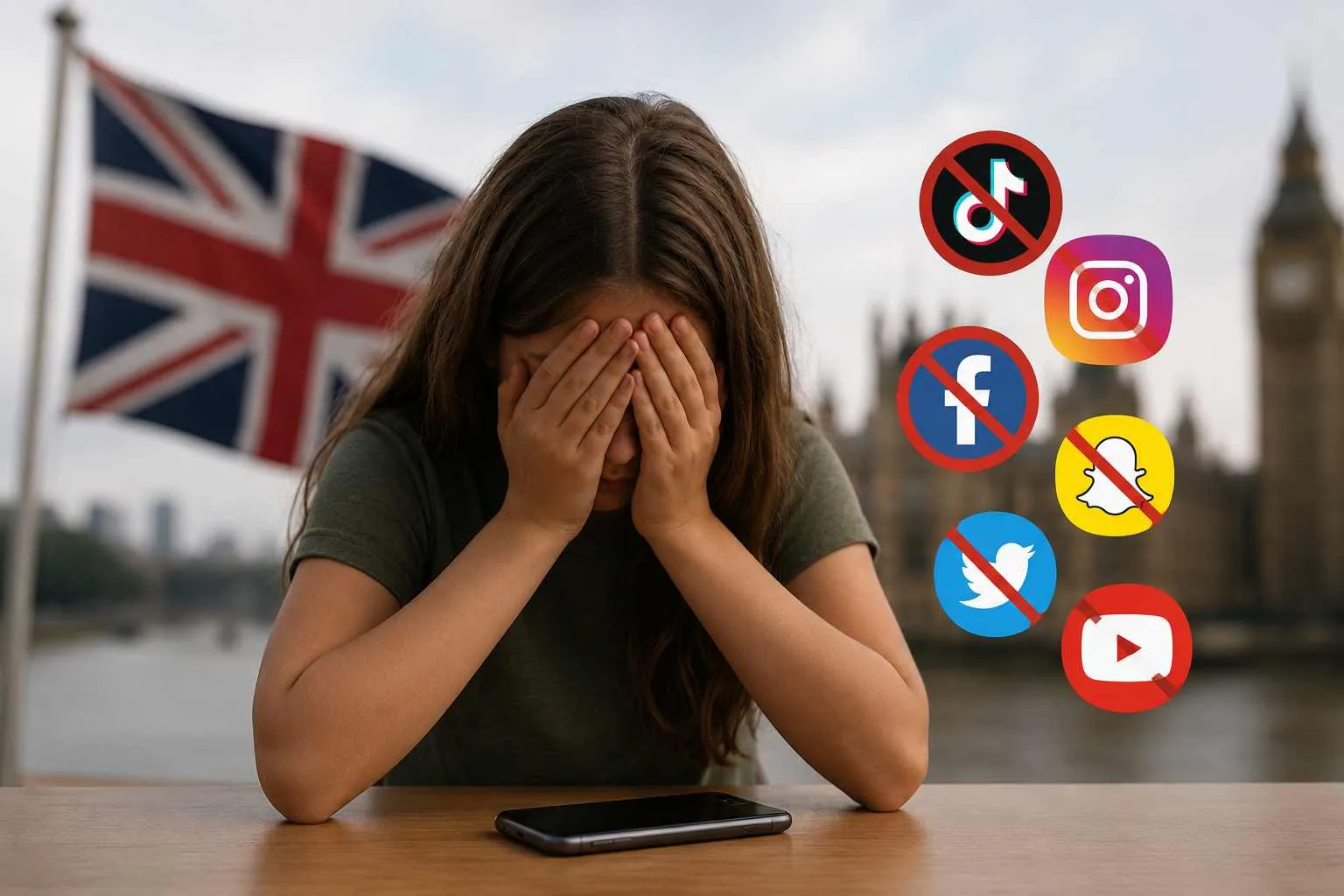
The United Kingdom is preparing one of the most ambitious internet regulations in modern history, with Prime Minister Keir Starmer announcing plans to restrict social media access for users under 16. The proposal, which has already ignited global debate among governments, technology companies, educators, parents and child safety advocates, could fundamentally reshape how young people interact with the digital world. If passed, the legislation would require major platforms to implement rigorous age verification systems capable of preventing minors from accessing social media services. The initiative is presented as part of a broader strategy to improve online safety, reduce digital addiction, combat cyberbullying and address growing concerns about the impact of social media on children's mental health.
Understanding the UK's Proposal to Ban Social Media for Minors
Why does the UK want to restrict social media for teenagers?
According to the British government, social media platforms have become deeply embedded in the daily lives of children and adolescents. While these services offer opportunities for communication, creativity, education and entertainment, authorities argue they also expose young users to significant risks. Government reports and independent studies have highlighted concerns involving cyberbullying, harmful content, online predators, misinformation, digital addiction, anxiety, depression, body image issues and excessive screen time. British lawmakers contend that current safeguards are insufficient and that technology companies have not done enough to protect younger users from algorithm-driven content systems designed to maximize engagement. Prime Minister Keir Starmer described the initiative as an effort to “give childhood back to children” by reducing exposure to potentially harmful digital environments.
Which social media platforms could be affected?
If the proposed restrictions become law, some of the world's largest social media platforms could be required to block users under 16. The platforms expected to be affected include:
- TikTok
- Snapchat
- X (formerly Twitter)
- YouTube
- Threads
The exact scope of the legislation is still being debated, and lawmakers must define which services qualify as social media platforms under the new rules.
How will age verification work under the new rules?
One of the most controversial aspects of the proposal involves age verification technology. The British government is considering multiple approaches aimed at preventing minors from creating accounts or accessing social media services. Potential methods include:
- Government-issued identification verification
- Artificial intelligence age estimation
- Facial age analysis systems
- Digital identity platforms
- Third-party verification providers
- Biometric age estimation technology
Technology companies would be responsible for implementing and maintaining these systems, and non-compliance could result in substantial financial penalties.
The Broader Impact on Child Safety and Digital Regulation
What are the mental health concerns driving the proposal?
One of the strongest arguments supporting the proposed restrictions involves mental health. Researchers have spent years examining the relationship between social media use and psychological well-being among adolescents. While findings vary, numerous studies suggest that excessive social media use can contribute to:
- Anxiety
- Depression
- Sleep disorders
- Body image concerns
- Low self-esteem
- Social comparison
- Digital dependency
Supporters of the legislation argue that social media platforms often rely on recommendation algorithms designed to maximize user engagement, encouraging prolonged use and potentially exposing young people to harmful content. Critics of social media frequently point to features such as infinite scroll, autoplay videos, push notifications and engagement-driven algorithms as mechanisms that can reinforce addictive behavior patterns.
How serious is the cyberbullying problem?
Another factor influencing the government's decision is the growing concern over cyberbullying. Unlike traditional bullying, online harassment can occur at any time and reach victims through multiple digital channels simultaneously. Experts note that social media can amplify harmful behavior by allowing content to spread rapidly among large audiences. For many families, concerns about cyberbullying have become one of the strongest arguments in favor of stricter regulations. Advocates believe that reducing access among younger users could significantly decrease exposure to harmful interactions.
How are technology companies responding to the proposed ban?
Major technology companies have expressed concerns about the proposed restrictions. Industry representatives argue that social media platforms already invest heavily in child safety measures and content moderation systems. Technology companies have also raised questions about the practical challenges associated with age verification. Some companies warn that requiring users to provide government identification or biometric data could create privacy concerns and increase cybersecurity risks. Others argue that age verification systems may not always be accurate and could inadvertently restrict access for legitimate users.
Can teenagers bypass the restrictions?
One of the most common criticisms of social media bans involves enforceability. Experts note that many young users possess strong technical skills and may attempt to bypass restrictions using:
- Virtual Private Networks (VPNs)
- Fake account information
- Shared accounts
- Alternative platforms
- Third-party services
Previous attempts to restrict internet access in various countries have demonstrated that determined users often seek alternative methods to reach blocked content. As a result, some analysts question whether the proposed legislation can achieve its intended goals.
Economic and Privacy Considerations
What is the economic impact on major tech companies?
The proposal could also have significant financial implications for major technology companies. Adolescents represent a valuable demographic for advertisers and platform growth strategies. Restricting access for users under 16 could affect:
- User growth metrics
- Advertising revenue
- Engagement statistics
- Market valuations
- Platform expansion strategies
Investors are monitoring developments closely as governments around the world increase scrutiny on digital platforms.
How does the proposal affect user privacy?
Privacy advocates are divided on the proposal. Supporters argue that stronger age verification is necessary to protect children from harmful online environments. Critics, however, fear that collecting sensitive personal information could create new risks. Questions have arisen regarding:
- Data storage practices
- Security of biometric information
- Identity verification databases
- Government oversight
- User privacy rights
The challenge for lawmakers will be balancing child safety objectives with privacy protections and civil liberties.
What role will artificial intelligence play in age verification?
Artificial intelligence is expected to become a key component of age verification systems. Several technology providers have developed AI-based solutions capable of estimating a user's age based on facial analysis and behavioral patterns. Supporters argue that these systems can reduce reliance on government-issued identification while providing more seamless verification experiences. However, concerns remain about accuracy, bias, transparency and potential misuse of biometric technologies. The debate highlights the increasingly important role that artificial intelligence plays in modern digital regulation.
Frequently Asked Questions
Why does the UK want to ban social media for under-16s?
The government states that the measure aims to reduce cyberbullying, exposure to harmful content, digital addiction and mental health risks among children and adolescents.
Which apps could be affected?
TikTok, Instagram, Facebook, Snapchat, X, YouTube and other social media platforms could face restrictions under the proposal.
Will age verification be required?
Yes. The government is considering AI age estimation systems, identity verification and biometric technologies.
Has the law already been passed?
No. The proposal is still under review and must complete the legislative process before taking effect.
Could other countries adopt similar measures?
Many experts believe that governments around the world are closely watching the UK's approach and may introduce similar legislation if the model proves effective.
The proposed legislation must still undergo parliamentary review and consultation before becoming law. Lawmakers are expected to hear testimony from technology companies, child safety organizations, mental health experts, privacy advocates, educators and parents. Further amendments and revisions remain possible as the proposal moves through the legislative process. Regardless of the final outcome, the debate has already generated international discussion about the responsibilities of governments, technology companies and families in protecting young people online.